
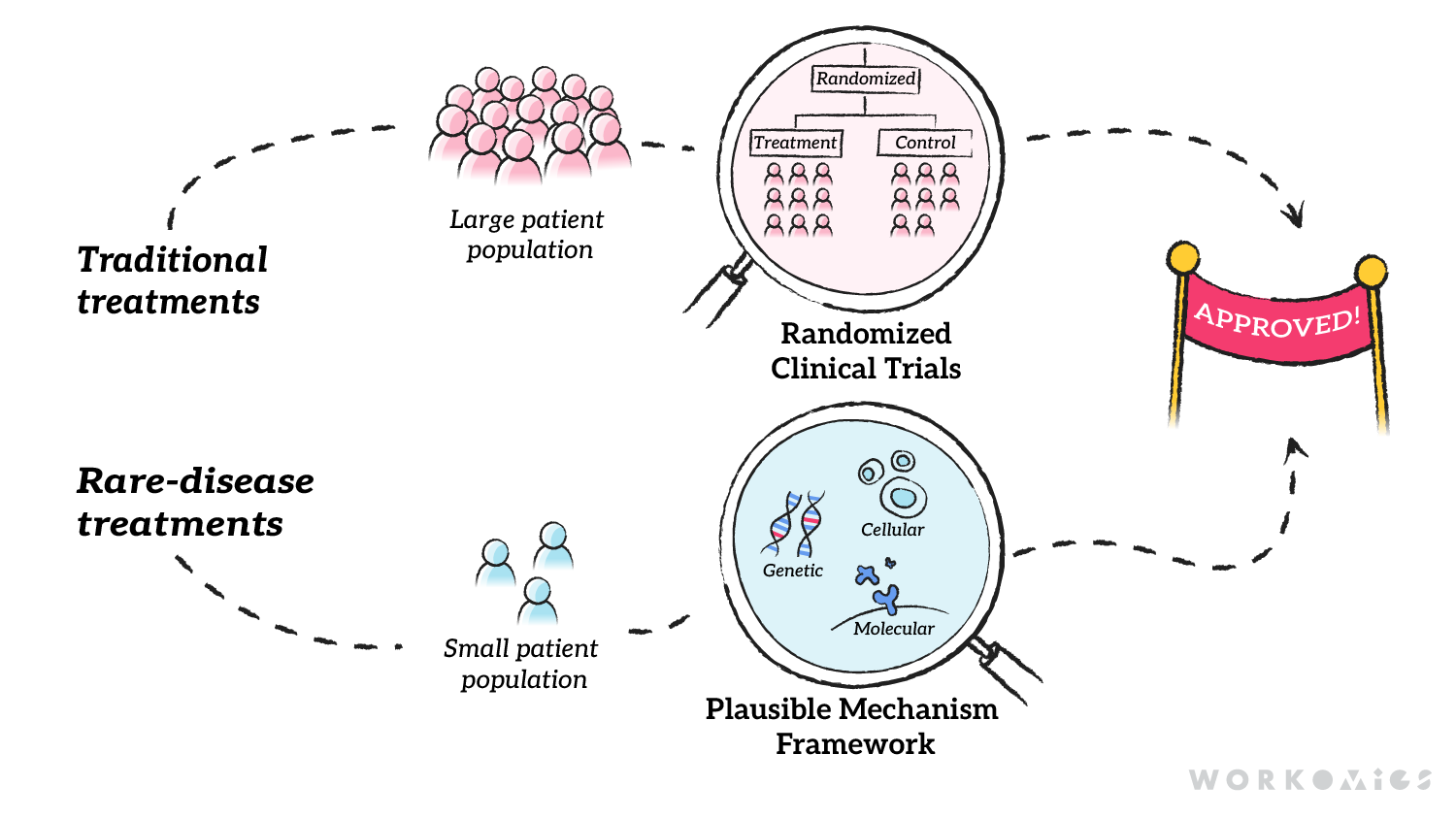
Under this new framework, regulators may be able to approve the treatment even when large patient populations don’t exist, if researchers can clearly show:
- How a disease works at the genetic, cellular, or molecular level;
- How a treatment addresses that mechanism, and
- Improvements that would not have been seen in patients without treatment.
This shift towards evaluating potential therapies based on how well they address specific mechanisms could speed up the development of rare disease treatments. It also means that it’s more important than ever to make sure patients and healthcare providers have a clear understanding of the science behind the disease and treatment so that they can make confident, informed decisions about their care.
Our other ideas worth exploring
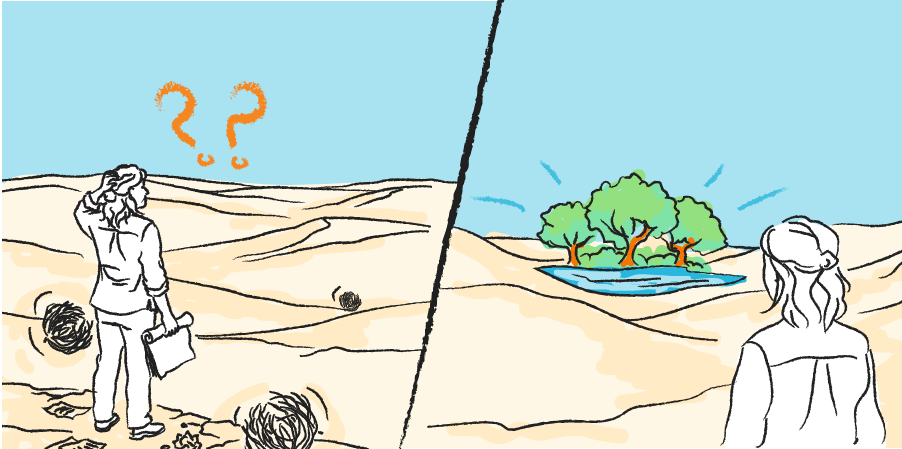
The case for early investment in rare disease state education
An examination of reasons why disease state education for rare diseases helps patients better navigate their journey and complex decisions.

Bedside Manners: How a family doctor approaches patient education
An interview with Dr. Heather Senn, a family doctor, about her philosophies and strategies around patient education.

5 tips for safely using LLMs to get medical advice
Examining issues with using LLMs to gather health information, and tips for having useful and less risky conversation with LLMs.