
Cell and gene therapies (CGTs) are genuinely transforming the current treatment landscape. For many, they represent a new era of medicine. While they offer their own set of logistical, financial, and structural challenges in a healthcare system designed for chronic interventions, CGTs are treating diseases once thought to be untreatable, often with the potential to restore function and, in some cases, provide a cure. For disease states with approved CGTs, we see a shift in treatment norms: chronic treatment regimes for rare and complex conditions that typically required continuous or lifelong adherence can instead be drastically reduced, or even replaced, with a “one-time” CGT. However, when these CGTs are marketed as “one-time” treatments, even with appropriate supporting evidence, how does this messaging mesh with the expectations of patients used to an entirely different — and typically much more convoluted — treatment journey?
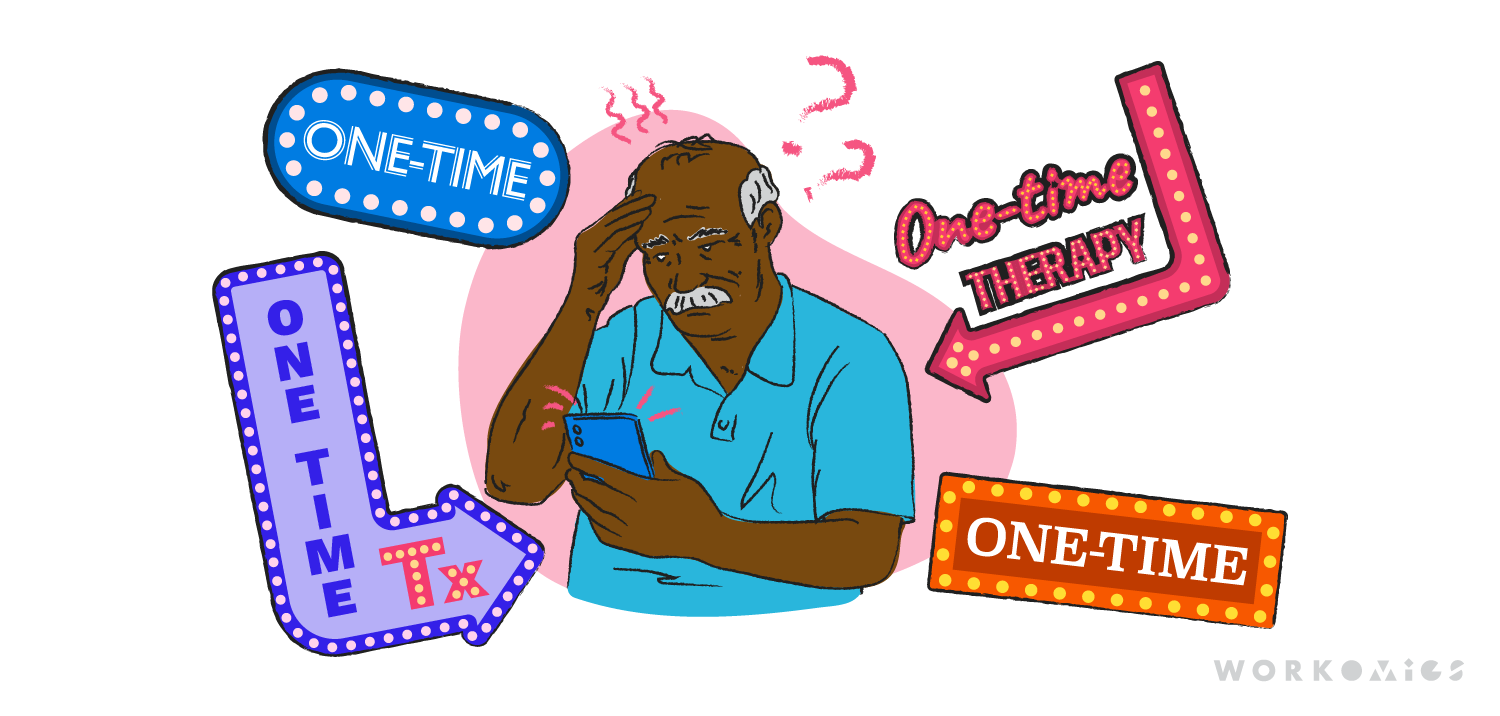
When treatments are too good to be true
Patients with a rare or complex disease often have very different expectations for a new therapy compared to patients with non-chronic, or less complex diagnoses. These patients tend to be practical and knowledgeable, and in some cases may know more about their condition than the healthcare providers (HCPs) treating them. This practical mindset may lead to an unintentional barrier when patients are confronted with one-time messaging for CGTs: They may see it as too good to be true. Similar behaviours are seen in more standard economic exchanges, where people reject overly generous offers like higher wages, cheap plane fares, and free money because they suspect that there will be “phantom costs” (like a poor quality product or service, or unknown risk). Similarly for some patients, they may be looking for a catch when they hear about “one-time” CGTs.
This is reflected in public perception of CGTs, as there is a noted therapeutic misestimation — that is, a misunderstanding of the benefits and risks associated with CGTs. In some cases, patients overestimate the benefits and underestimate potential risks associated with the therapy. Others experience considerable uncertainty related to the risks, worrying that they may be trading their current illness for something worse, despite the evidence-based benefits. In both cases, the issues are compounded by sensationalized results and horror stories, and a lack of trusted sources providing clear and accurate information. Simplified “one-time” treatment messaging only serves to muddy these waters, and can be off-putting to patients without the additional context needed to make an informed decision.
Explaining what treatment really entails
Rather than lean on “one-time” as a marketing message, it’s important to help patients build an understanding of what treatment really entails. There is a distinction between undertaking an involved treatment that is complete after one round, versus ongoing cycles of treatment that can continue for months or, for some, indefinitely. But, “one-time treatment” is an oversimplification of the patient experience. Instead, marketers can reflect back patients’ ingoing expectations, which can help open them up to new possibilities and expand their mental model. Setting expectations, in a compliant manner, is critical, and can be done through:
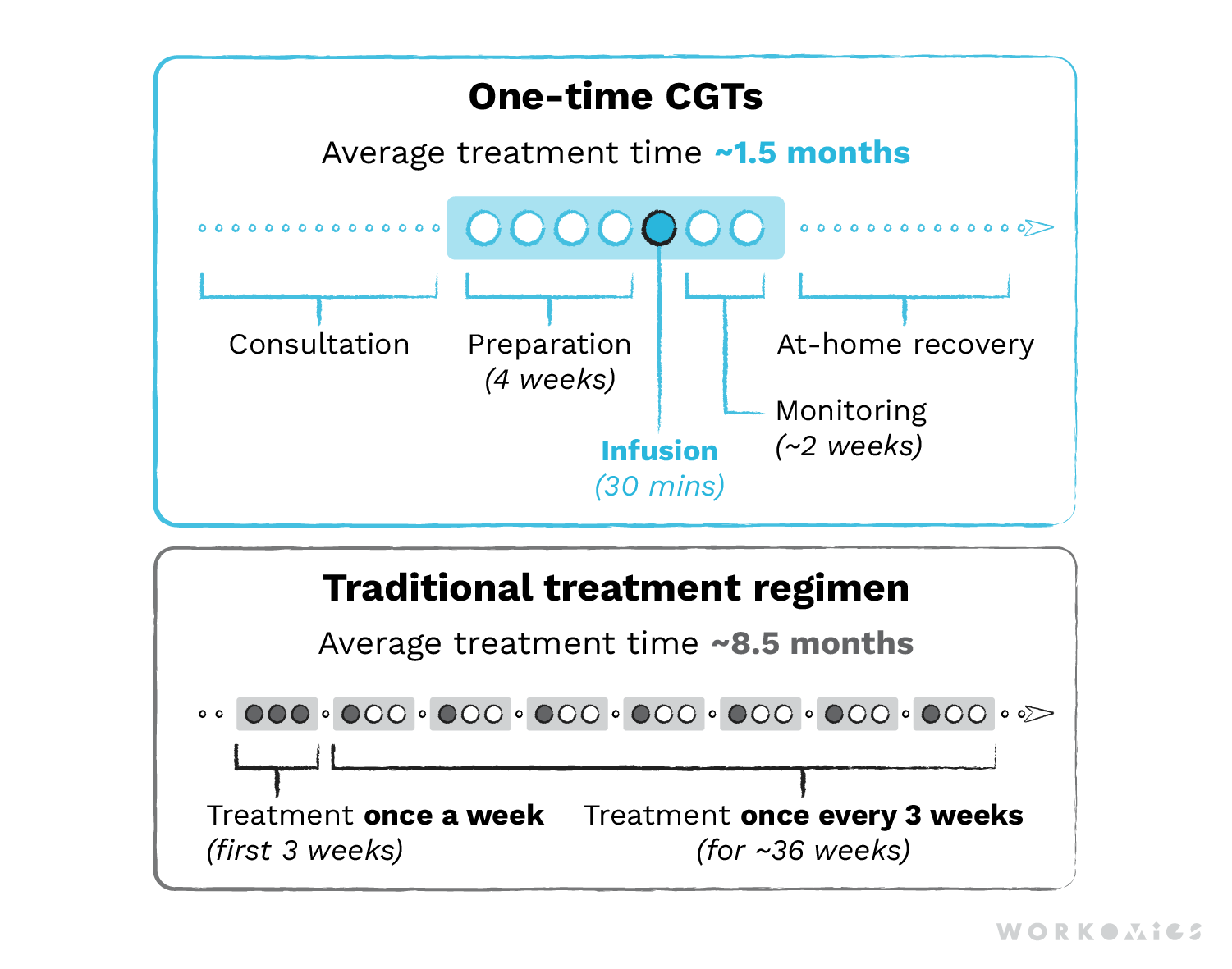
- Explaining what happens at each step before and after the “one-time treatment” and why. We have heard from patients time and again that they appreciate that any treatment will come with initial testing, preparation, and follow-up. So making it clear that these types of steps are still involved with a “one-time treatment” can help alleviate misunderstanding and build trust.
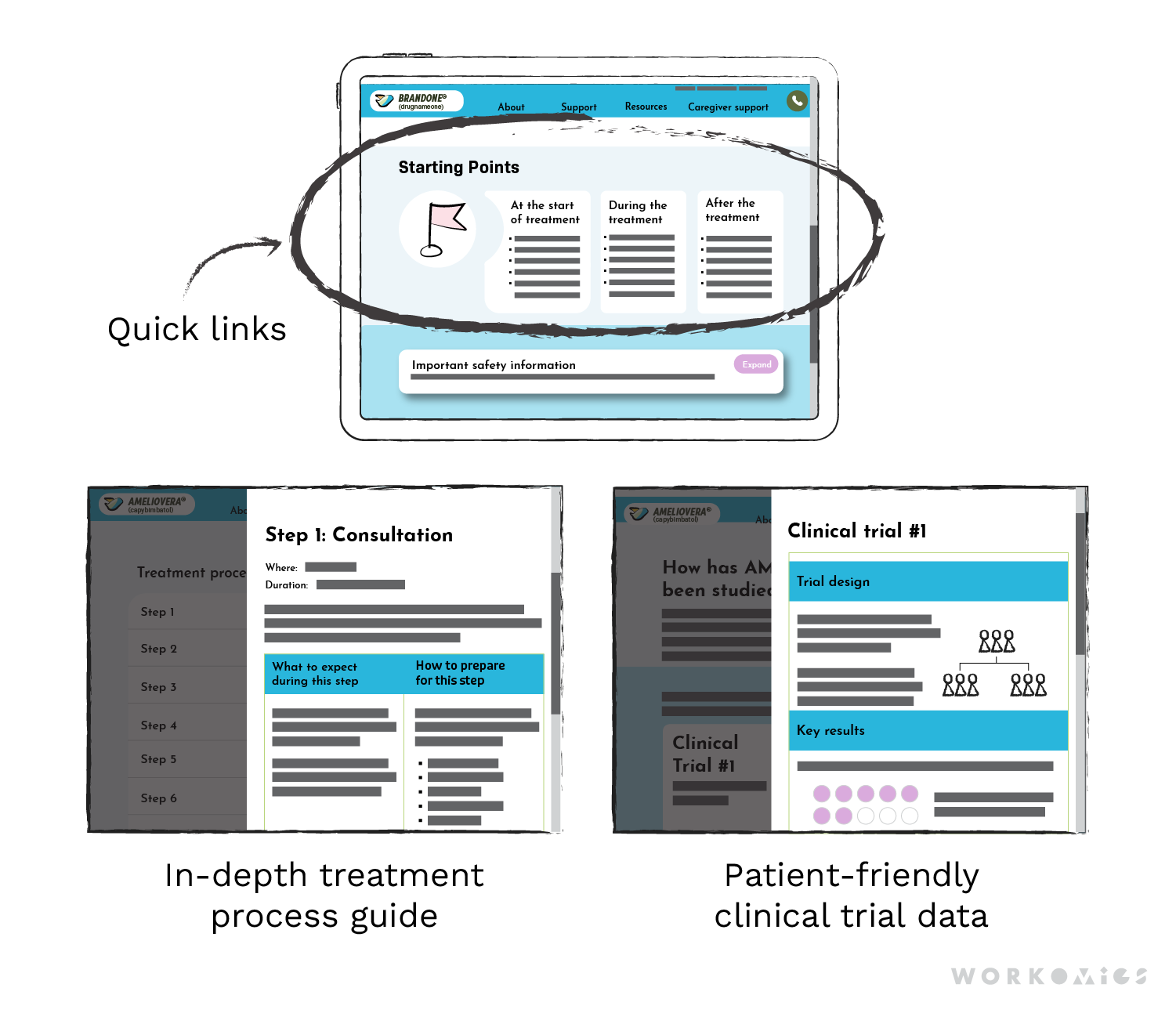
- Visualizing the overall treatment process, especially as a generalized comparison to a treatment class that has ongoing treatment cycles. This can help patients understand how this experience could be a better fit for their life and treatment priorities.
Emphasizing compelling efficacy data
Conveying the overall process of a “one-time treatment” helps build patient openness. But change can be difficult. Some patients may still lean towards a treatment with repeated cycles that they are familiar with and know how to plan for. There can be comfort in planning for something that is similar to what they’ve already experienced, as opposed to handling more involved upfront logistics that can come with CGTs, especially for something that is only going to happen once.
This is where highlighting compelling data comes in. Compelling data helps patients and caregivers understand the potential clinical benefit of choosing a treatment like CGT, even if it may involve more upfront logistics. It’s important to talk to patients and caregivers directly to understand what the most compelling data may be, as it’s not always what you think.

The old adage goes that if something is too good to be true, it probably is. Many CGTs have the potential to be disease-modifying treatments for patients. However, they are also very logistically demanding. By focusing on the “one-time” nature of the treatment, commercial teams may be doing themselves a disservice. To make these transformative treatments actionable, it’s essential to recognize the journey patients may have had, reflect back their expectations, and create transparent messaging that builds patient openness and emphasizes efficacy, rather than leaving them wondering, what’s the catch?
Our other ideas worth exploring

Lessons from the Sepsis Watch rollout
Delving into an example of new disruptive technology being successfully integrated into a healthcare setting.

Prioritizing accessibility makes branded websites more effective
Prioritizing accessibility makes your website more usable for everybody and allows your branded messaging to be more impactful.

The participation problem: addressing socioeconomic barriers in clinical trials
Examining the structural and economic barriers that impact patient participation in clinical trials, and our approach to the problem.