
Women’s representation in clinical research
As a women-led company, equitable representation of women in healthcare research is especially important to us. As we strive to focus equally on women’s and men’s perspectives in our patient experience work, we find it useful to look back and see how women’s representation in research has changed over time. To the surprise of no one, women have not always been adequately represented in clinical research for conditions that impact all patients regardless of biological sex.
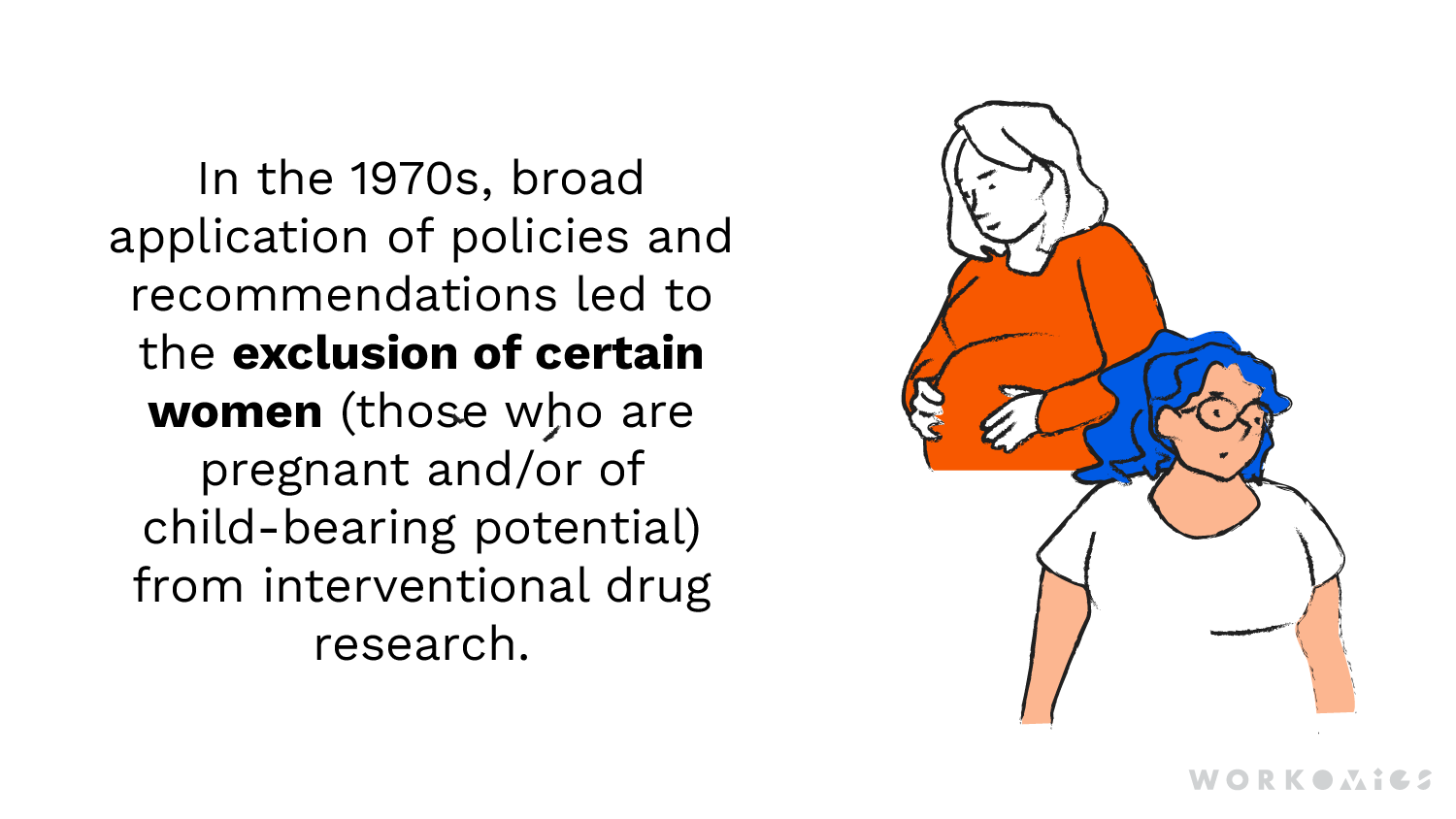
We can go back to the 1970s, for example, when the U.S. FDA had a policy which recommended excluding certain women (those who are pregnant and/or of child-bearing potential) from phase 1 drug clinical research. Researchers often applied the recommendation broadly, resulting in exclusion of women across any phase of interventional drug research. After rising concerns and protests related to the lack of clinical data in women’s health, a new law took effect in 1994, which required National Institutes of Health funded clinical research to include women and minorities as participants (with some exceptions).
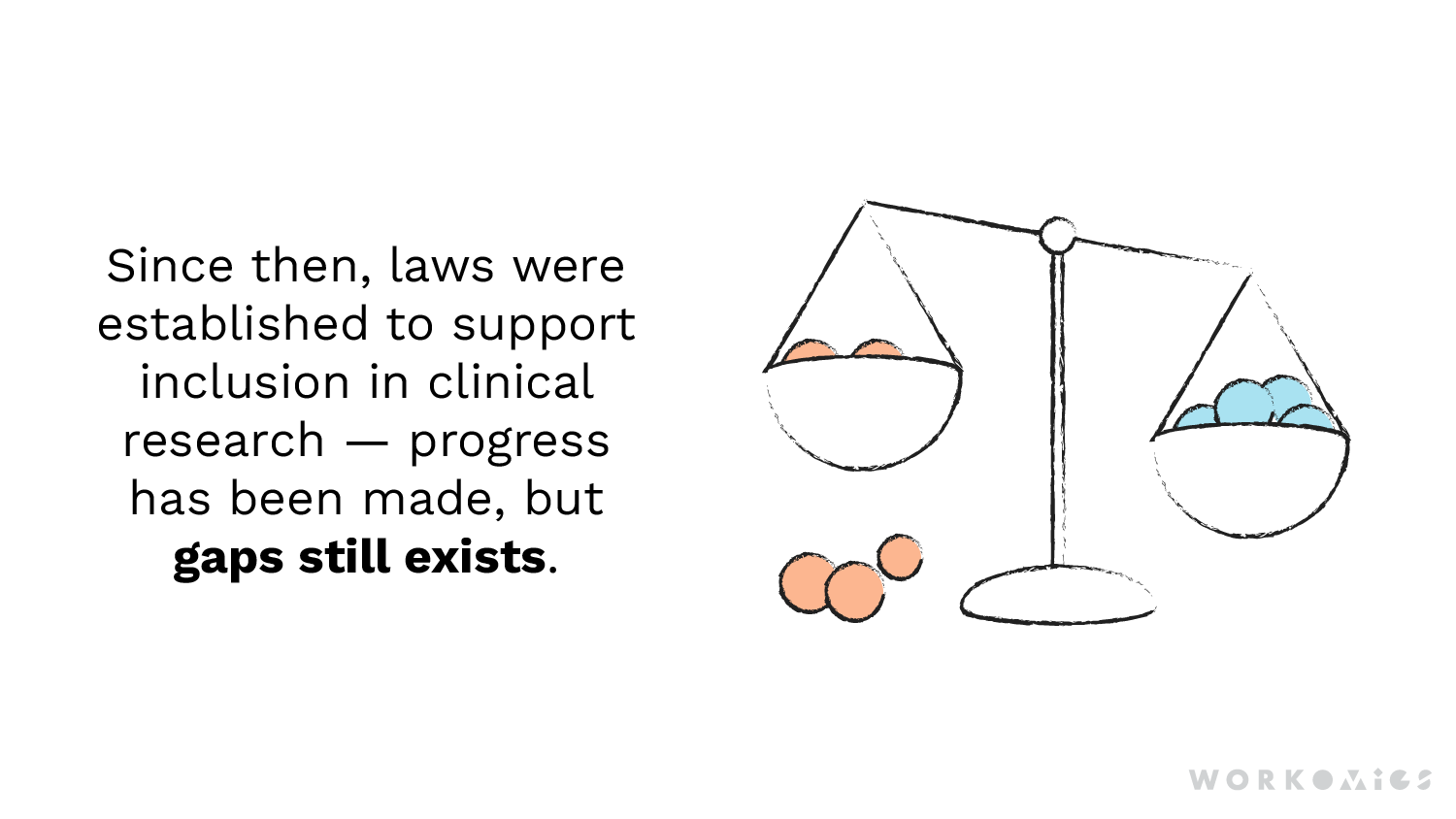
Since then, progress has been made, but there still exists a large gap in understanding women’s health. Beyond sexual and reproductive health differences, evidence shows that women experience certain health conditions more frequently or differently than men — like osteoporosis, depression, autoimmune diseases, heart attacks, etc.
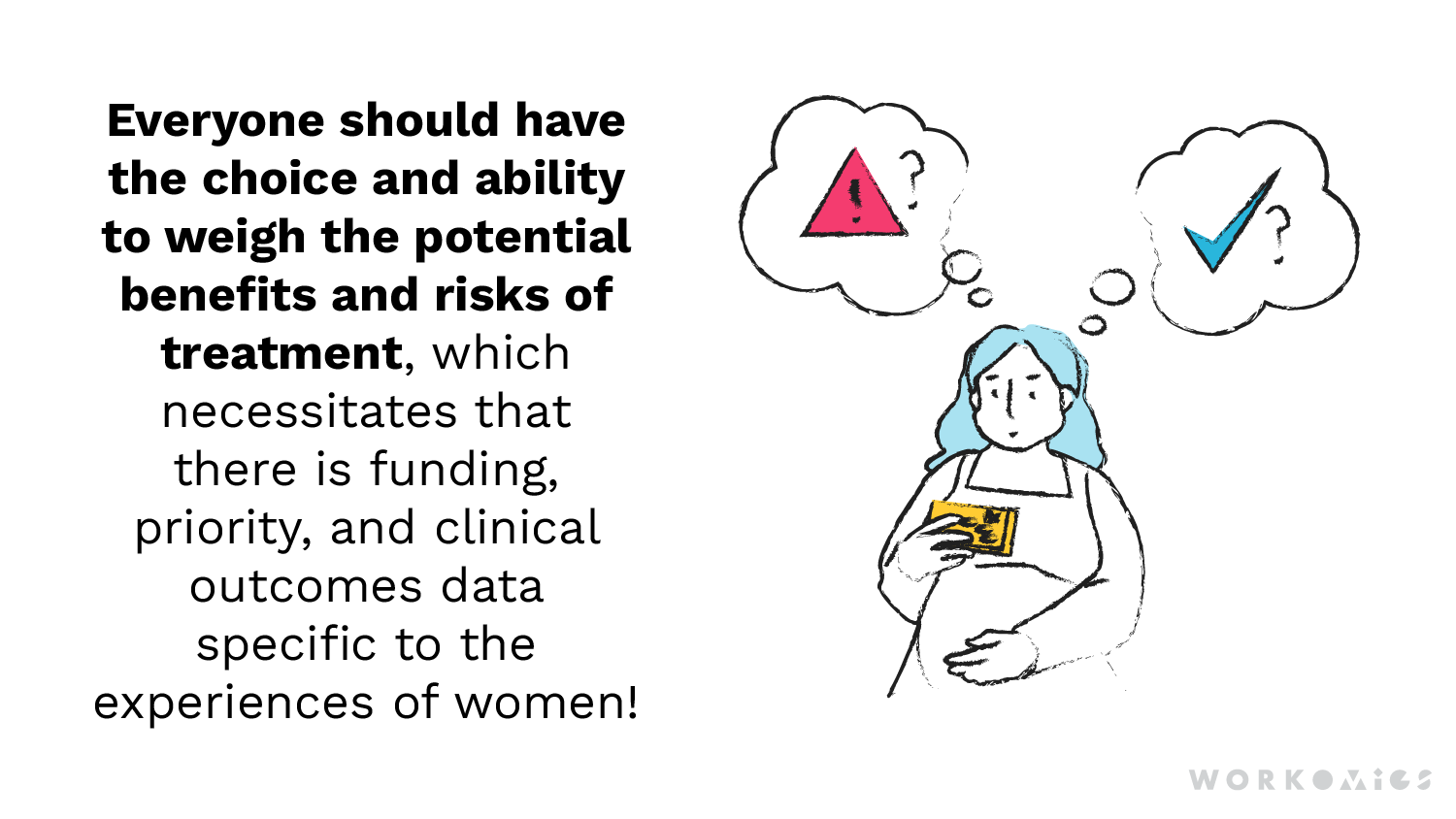
Everyone should have the choice and ability to weigh the potential benefits and risks of treatment, which necessitates that there is funding, priority, and clinical outcomes data specific to the experiences of women!
We hope to see more efforts being made to close the gap.
To learn more about efforts in this space in the last few years, check out:
- Inclusion Outreach Toolkit from National Institutes of Health
- Overview of Research Gaps in Women’s Health Research from The National Institutes of Health
- Diversity, Inclusion and Equity in Clinical Research: Guidance Toolkit & User Guide from Multi-Regional Clinical Trials Center of Brigham and Women’s Hospital and Harvard (MRCT Center)
- Charts showing how women’s health research lacks funding (2023) from Nature Magazine
Our other ideas worth exploring

Lessons from the Sepsis Watch rollout
Delving into an example of new disruptive technology being successfully integrated into a healthcare setting.

Improving accessibility
An exploration of the four primary principles we follow for improving accessibility of patient resources.

The participation problem: addressing socioeconomic barriers in clinical trials
Examining the structural and economic barriers that impact patient participation in clinical trials, and our approach to the problem.