
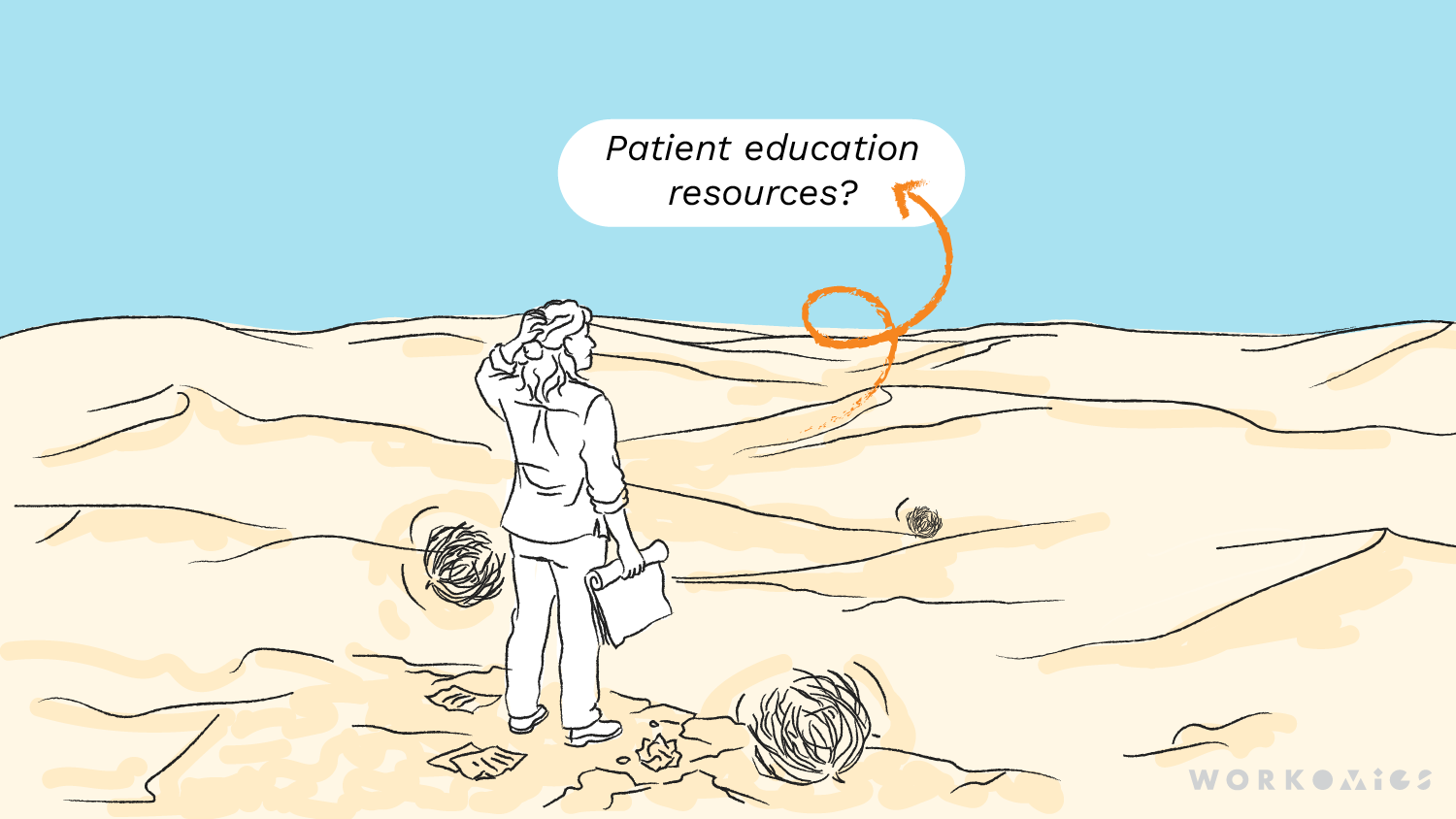
Meanwhile, in the rare disease space, patients face a disproportionate burden. Community physicians may have little to no experience with the condition, leaving patients to navigate a life-altering diagnosis on their own. They turn to academic journals and the deep corners of the internet, finding resources that are often either too technical to be practical or so negatively framed that they strip away all hope.
How disease state education sets patients up for success
Practical, patient-centred DSE empowers patients to better navigate their journey and complex decisions with greater confidence by:
- Helping them understand the mechanics of their condition, and the steps and decisions they should anticipate along the way.
- Providing information that is credible, actionable, unvarnished, and honest without being frightening.
- Helping patients explain their disease to friends and family, and connecting patients to additional support and resources.
- Encouraging patients to seek out expert providers and institutions who understand and have experience treating their condition. In the pre-launch context, this can also include helping patients find relevant clinical trials.
- Providing emotional comfort by signalling that other patients have walked similar paths before.
The Case for Early Investment

The Takeaway
Rare disease state patient education provides manufacturers the opportunity to thoughtfully address patients’ critical, unmet needs, signal a genuine, long-term commitment to high-need populations, and foster greater awareness and openness to their emergent treatments.

Our other ideas worth exploring

Redesigning Important Safety Information (ISI) for advanced therapies
Important Safety Information appears throughout branded patient marketing materials. We think differently about how we can communicate ISI to patients.

Knowing when to start, and stop
Ella Korets-Smith talks about starting two different biotechs, the experience of winding one of them down, and how she prioritizes relationship-building.

A closer look at the investigational drug daraxonrasib
The RAS protein has historically made pancreatic cancer hard to treat. Darasonrasib takes a different approach.