
There’s no doubt that nurses play a crucial role in the way patients and their caregivers experience treatment. We hear this time and time again in interviews and workshops from patients and from the nurses themselves. One of the key roles that nurses play is in providing patients and caregivers with educational materials on disease states and treatments. As therapies advance and become more complex, patients need increasingly thorough education. This requires more effort from nurses to engage patients in their treatment journey safely and confidently.
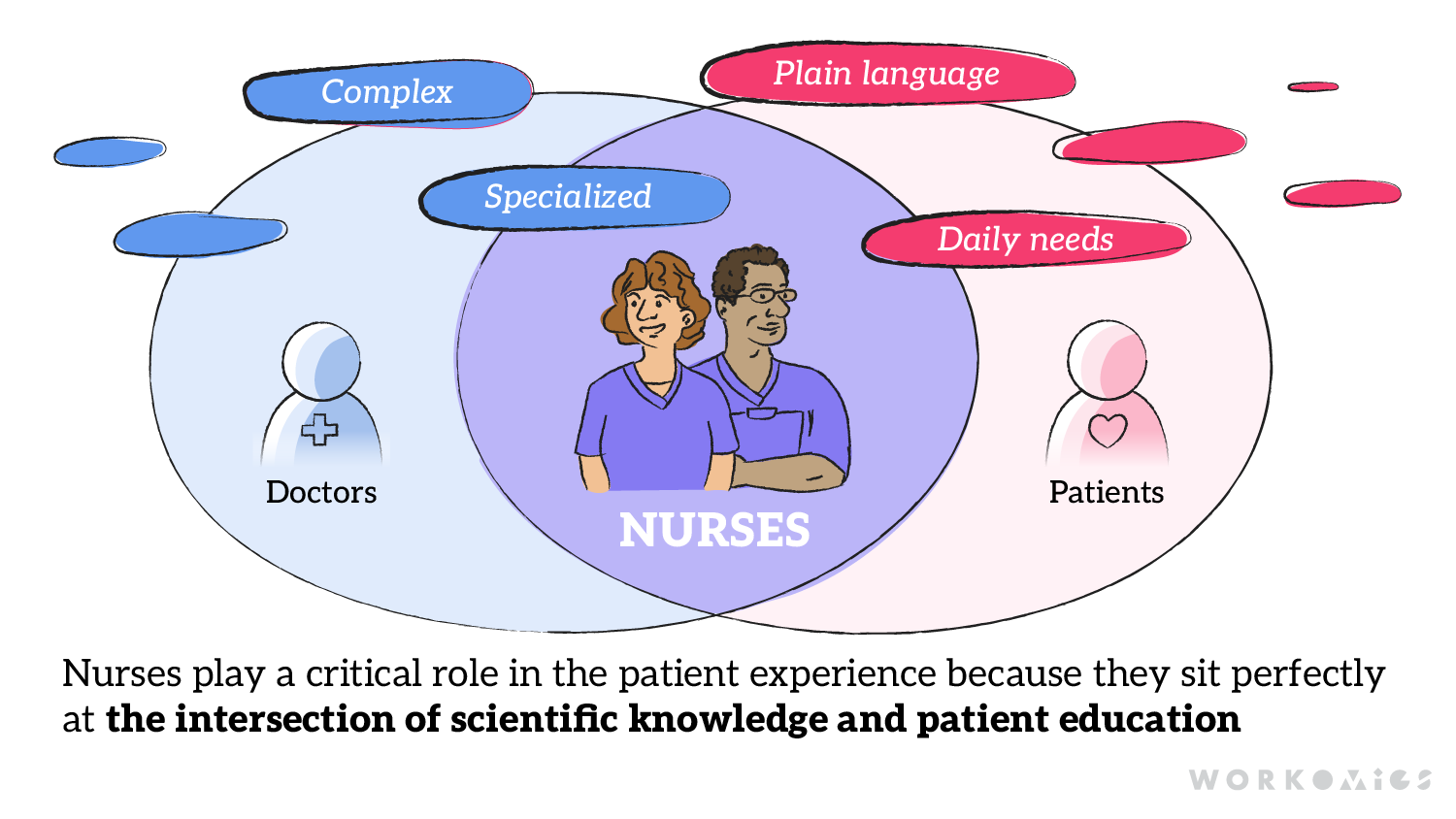
A study published in the American Journal of Medicine found that nurses spend more than double the amount of time physicians spend interacting directly with patients. This means that nurses can get to know their patients very well, and are better positioned to understand, address, and advocate for the medical and practical concerns that patients have, especially when it comes to advanced therapies. With their medical background and time spent with patients, nurses sit perfectly at the intersection of scientific knowledge and patient education.
Not just responsible for sharing educational materials, nurses are an important end user for patient educational resources as they rely on them as teaching tools, or to build their own understanding to a level suitable for fielding patient questions. When we design educational solutions for patients, we consider how they might help nurses in their roles as well as support patients and caregivers. We achieve this by providing lists of additional resources, making unbranded materials available, and providing both analogy-based and cellular explanations that nurses can choose between for conversations with patients.
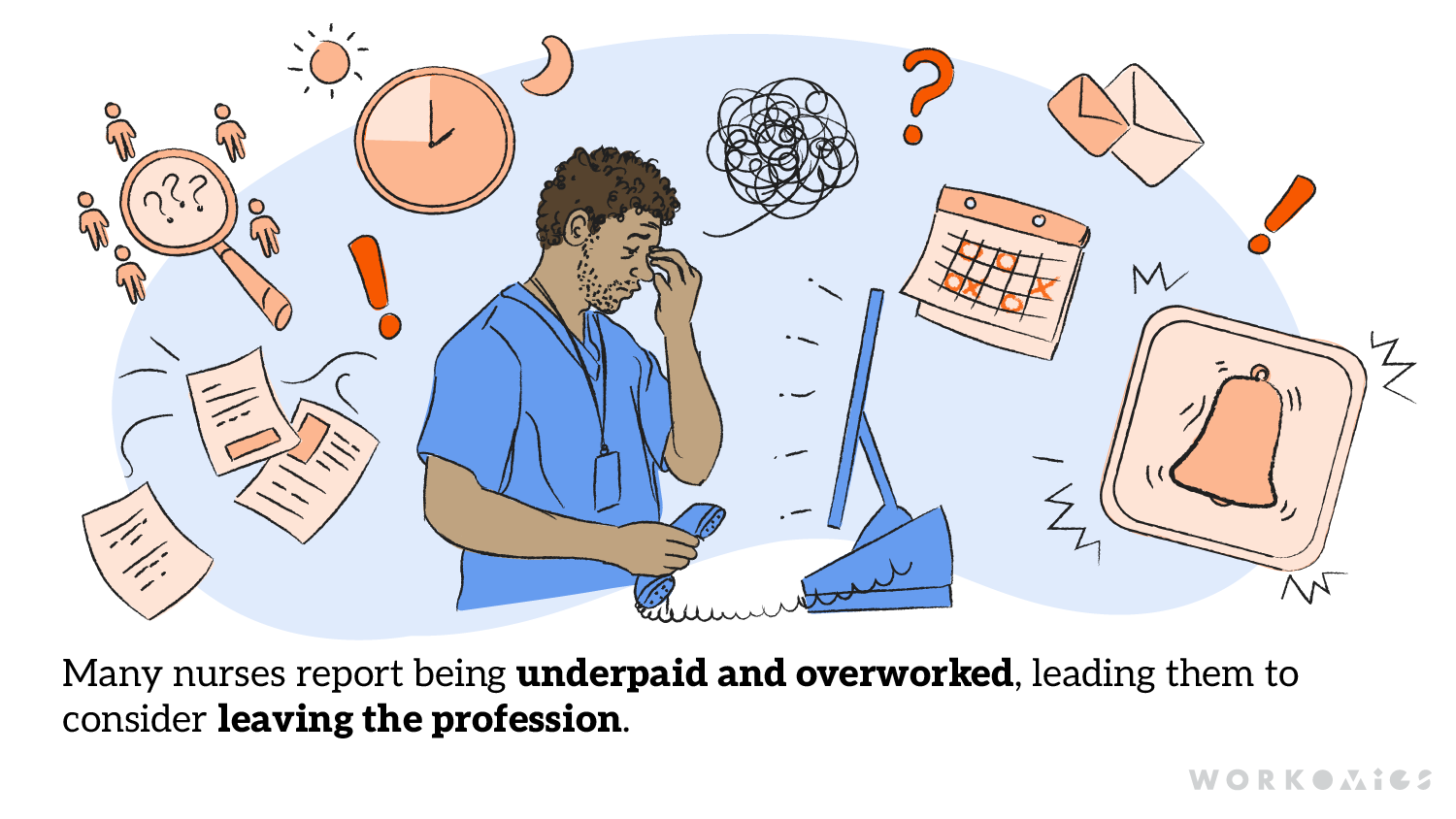
Given the important part they play in the patient experience, it’s disheartening to learn that nurses report being underpaid and overworked making it harder for them to do their jobs. With nurses already facing high levels of burn-out due to other aspects of their jobs, their capacity to play a vital role in patient education around complex and advanced therapies is going to be limited.
We have collaborated with many nurses to co-design educational materials and other solutions not only for patients and their caregivers, but also for nurses themselves. In many of our co-creation sessions, we leaned into the wisdom and experience of nurses to supercharge ideas, from memorable analogies to clear, patient-friendly explanations of complex concepts.
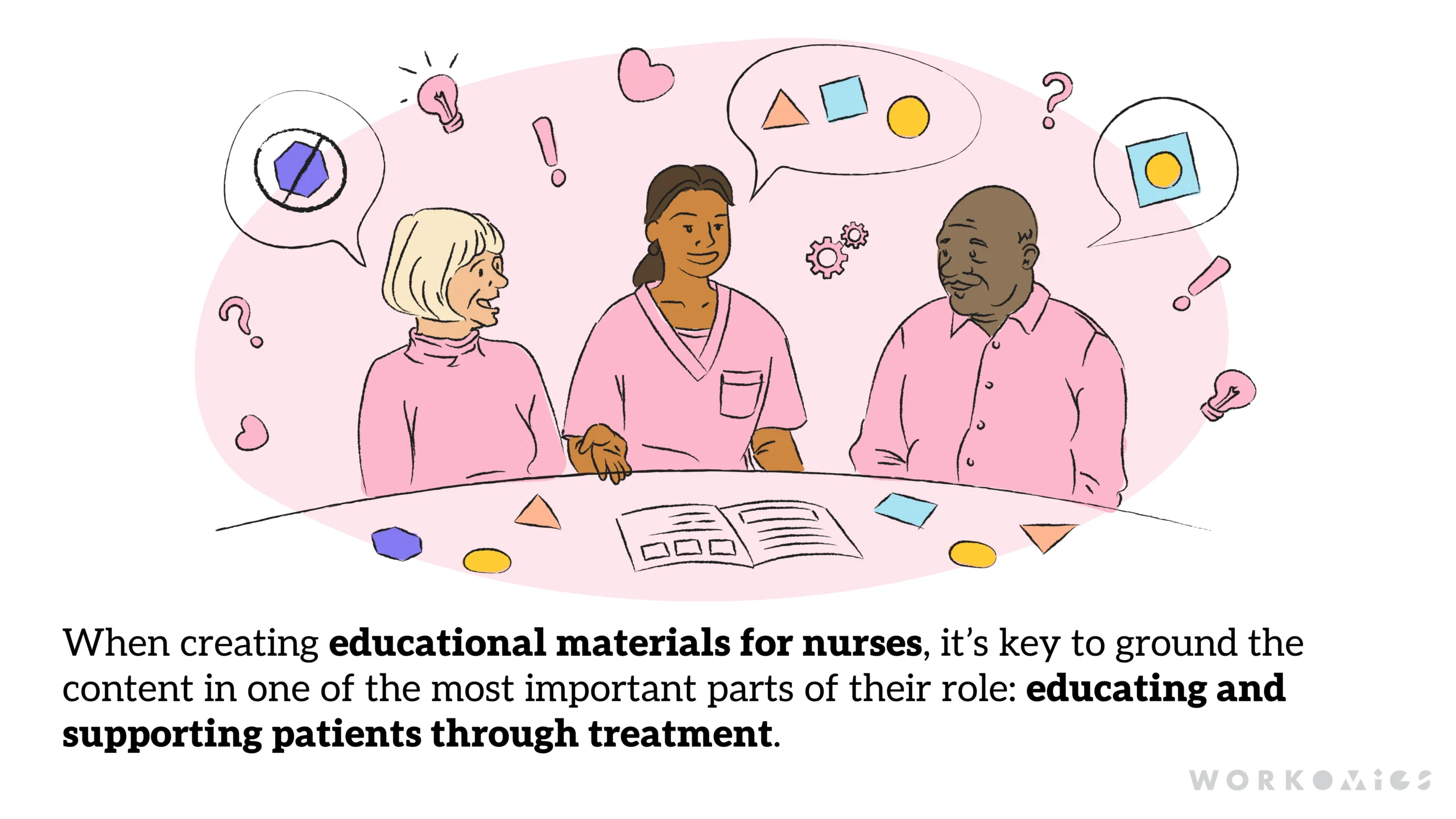
When creating educational materials for nurses, it’s key to ground the content in one of the most important parts of their role: educating and supporting patients through treatment. This means investing in distinct materials that enable nurses’ own education and ability to help patients after a treatment choice has been made, rather than treating their materials as an offshoot of the scientific content provided to prescribers. This is just one way we can help nurses feel more empowered and supported in their otherwise complex and busy jobs.
Our other ideas worth exploring
The case for early investment in rare disease state education
An examination of reasons why disease state education for rare diseases helps patients better navigate their journey and complex decisions.
Bedside Manners: How a family doctor approaches patient education
An interview with Dr. Heather Senn, a family doctor, about her philosophies and strategies around patient education.
5 tips for safely using LLMs to get medical advice
Examining issues with using LLMs to gather health information, and tips for having useful and less risky conversation with LLMs.