
Over 75% of pharma-related searches now trigger an AI Overview, giving patients the answers they need before they ever click through to a website.*
What does this mean for biotechs building patient websites?
For years, the direct-to-patient marketing playbook prioritized driving traffic to owned web properties such as a brand’s product website or patient disease-state education resources. Site traffic was king and a significant measure of how well your patient marketing was performing.
But now, AI-enabled search engines deliver answers to patients directly on the results page in the form of AI summaries. This allows patients to find tailored answers to their hyper-specific questions faster than ever — often without ever visiting a website.
For patient marketers, this prompts a new question: “How do we support treatment decision-making if patients never click to our site?”
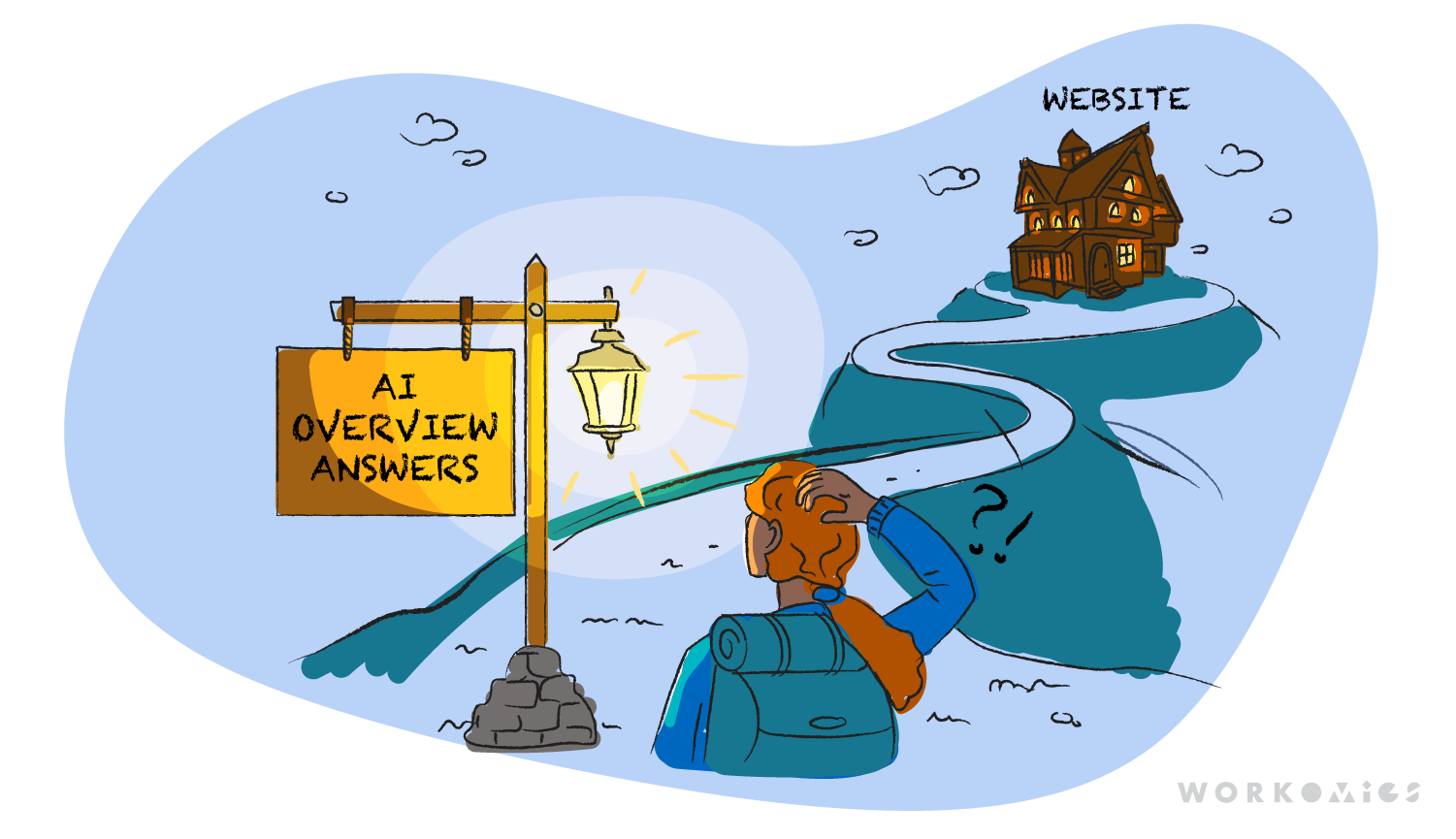
The new goal for direct-to-patient digital marketing: meeting patients where the question is asked —within AI search — and becoming an important, trusted source of truth.
This means:
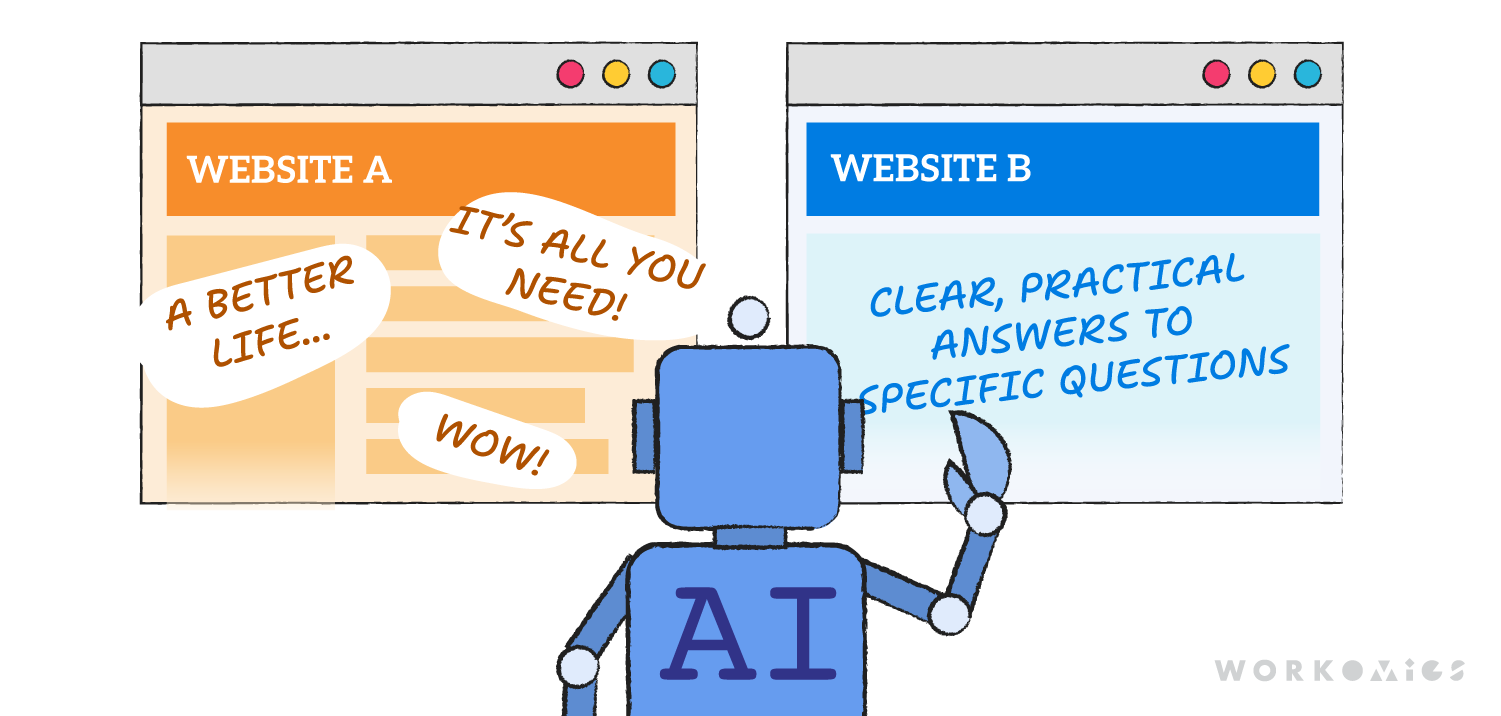
- Providing clear, direct answers to the specific, practical questions patients actually ask while; avoiding jargon or hollow marketing taglines to deliver immediate value.
- Establishing trust and credibility authentically, by ensuring the scientific accuracy of the content while prioritizing genuine empathy for the patient perspective.
- Enabling large language model AI systems to easily extract and attribute brand content by structuring biomedical and health information with clear titles and a thoughtful information hierarchy. That means delivering answers early in section copy, and avoiding long blocks of text or burying content behind extra clicks.
- Building relationships in the physical world that will help establish the online credibility of your website. When existing professional societies and advocacy groups are willing to link to your content, it signals that your material is trustworthy which in turn increases the likelihood of your site being referenced by AI Chat bots.
- Rethinking your paid media mix to put less emphasis on paid search and redirect towards a variety of paid social channels, which leverage similar AI technology to target the right audiences.
*We happened across this statistic in “Google AI Overviews: What it means for pharma”, an interview with Josie Black, a leader in SEO and GEO, published in Pharmaforum here. We also asked ourselves “What’s happening in the remaining 25% of searches?” There may be several reasons for a search not triggering a Google AI overview, including the query type, location, account settings, or browser configuration. For example, searches that ask for plain-language definitions (vs. a specific diagnosis), or that focus on general causes or concepts are more likely to trigger AI-enabled results.
Our other ideas worth exploring

Bedside Manners: How an OBGYN approaches patient education
An interview with Dr. Hava Starkman, a clinical fellow in midlife women’s health, about how she approaches patient education.
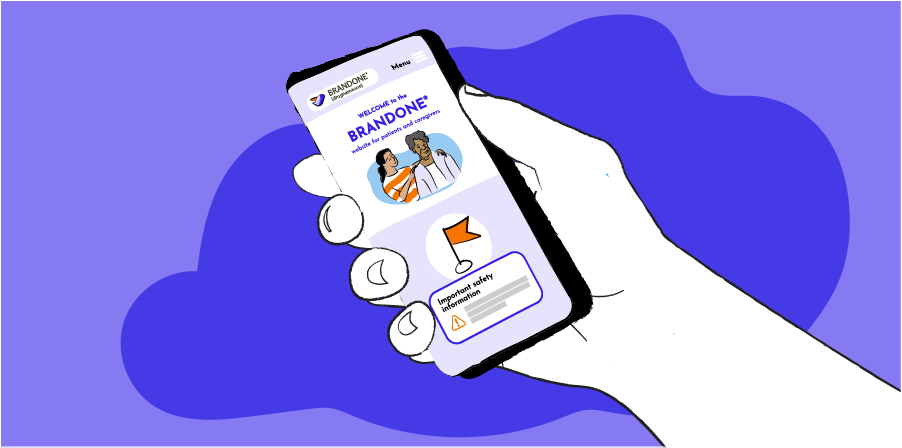
Redesigning Important Safety Information (ISI) for advanced therapies
Important Safety Information appears throughout branded patient marketing materials. We think differently about how we can communicate ISI to patients.
Knowing when to start, and stop
Ella Korets-Smith talks about starting two different biotechs, the experience of winding one of them down, and how she prioritizes relationship-building.