
For this article, we teamed up with Suzanne Kirkendall. Suzanne is the founder and CEO of Verelon, a behavioural science consultancy that helps organizations turn behavioural insight into real-world change, from shaping the strategy to training the teams who put it into practice.
In this article, Suzanne and Workomics examine what shapes caregivers’ participation in shared decision-making and offer practical principles for designing better caregiver education.
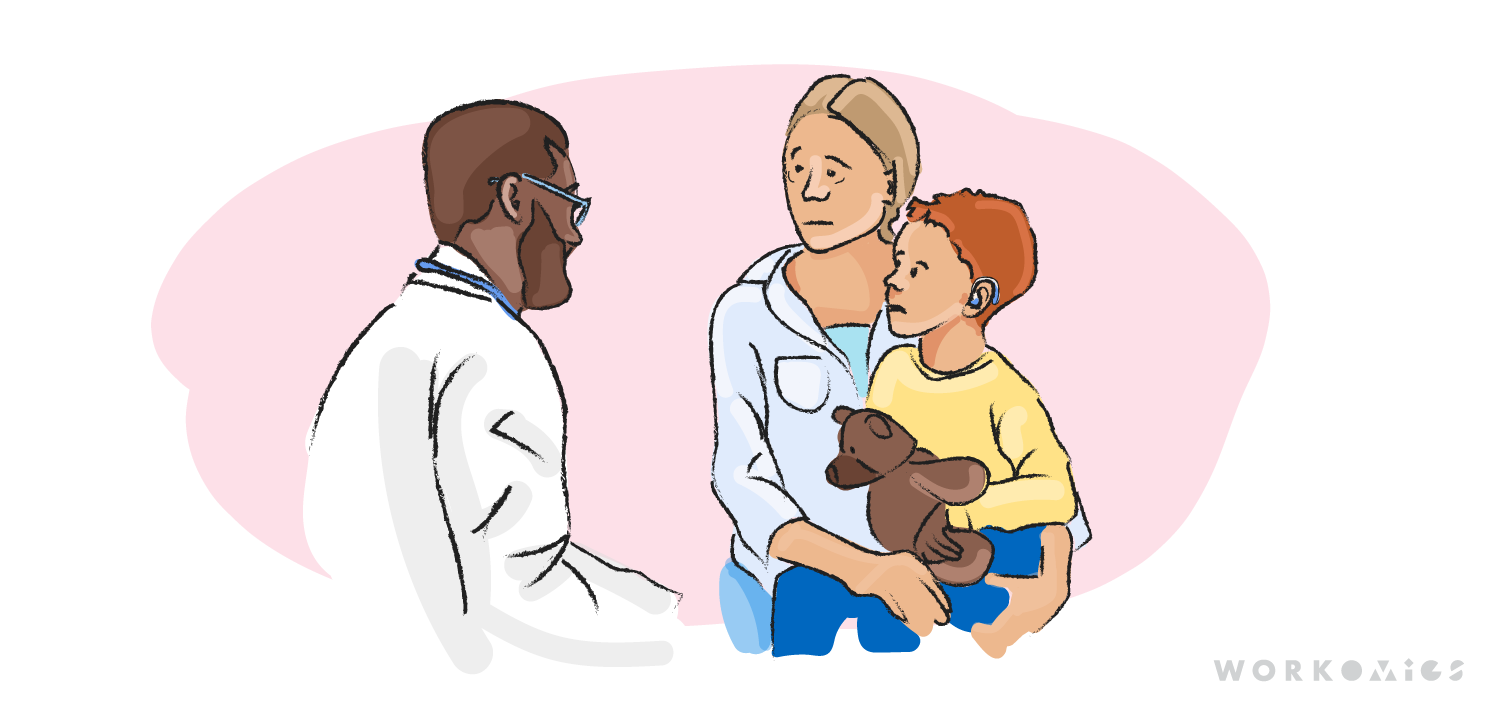
In pediatric rare disease, caregivers are deciding for their children, under uncertainty, again and again. For caregivers of children with rare diseases, the journey toward treatment decision-making is often long and difficult. Families have spent months or years navigating fragmented care, searching for answers, advocating for their child, and developing expertise in a condition they may never have heard of before their child’s diagnosis. In some cases, caregivers have had their concerns dismissed or have been sent in circles from conflicting advice.
While a diagnosis can bring relief, it also introduces new uncertainties about the child’s health and future. For many families, no disease-targeted treatment is available. For those who do have options, a new set of complex decisions emerges.
Treatment decision-making in general is a difficult and complex process that forces patients to consider tradeoffs and impacts that span everything from health outcomes, practical, logistical, and financial considerations, family life, and deeply human hopes and fears. In rare disease, this complexity is severely compounded by a tremendous amount of uncertainty surrounding diagnosis and treatment options, fragmented care and information, and high financial and logistical barriers to access.
In pediatric rare disease, the difficulty and complexity surrounding treatment decision-making is unique because the decision isn’t held by the patient, but by the parent, or caregiver, on behalf of their child — often with limited evidence and no clear answers. Caregivers must interpret complex scientific information, weigh uncertain outcomes, and consider and translate their child’s present and future needs, all while navigating the emotional and practical realities of caregiving. And crucially, treatment decisions in pediatric rare disease are rarely made just once. As a child’s condition, development, treatment options, access, and family circumstances evolve, caregivers will be faced with treatment decision-making, again and again.
Biotech’s Opportunity: From discrete tactics to decision-making experience design
To help caregivers make treatment decisions, biotech commercial teams commonly invest in discrete treatment education resources that focus on how the treatment works, its benefits and safety profile, and what to expect. But understanding a treatment is not the same as being equipped to make a shared decision about it. And in the absence of feeling ready and confident to make a shared decision, caregivers may refuse or delay the treatment.
Biotech has an opportunity to support caregivers’ meaningful participation in shared decision-making with their healthcare providers by holistically and deliberately addressing factors that influence caregiver decision-making. Understanding what drives caregiver decision-making can unlock new opportunities for building resonant messaging for caregivers that evolves with their needs.
Introducing the COM-B Model
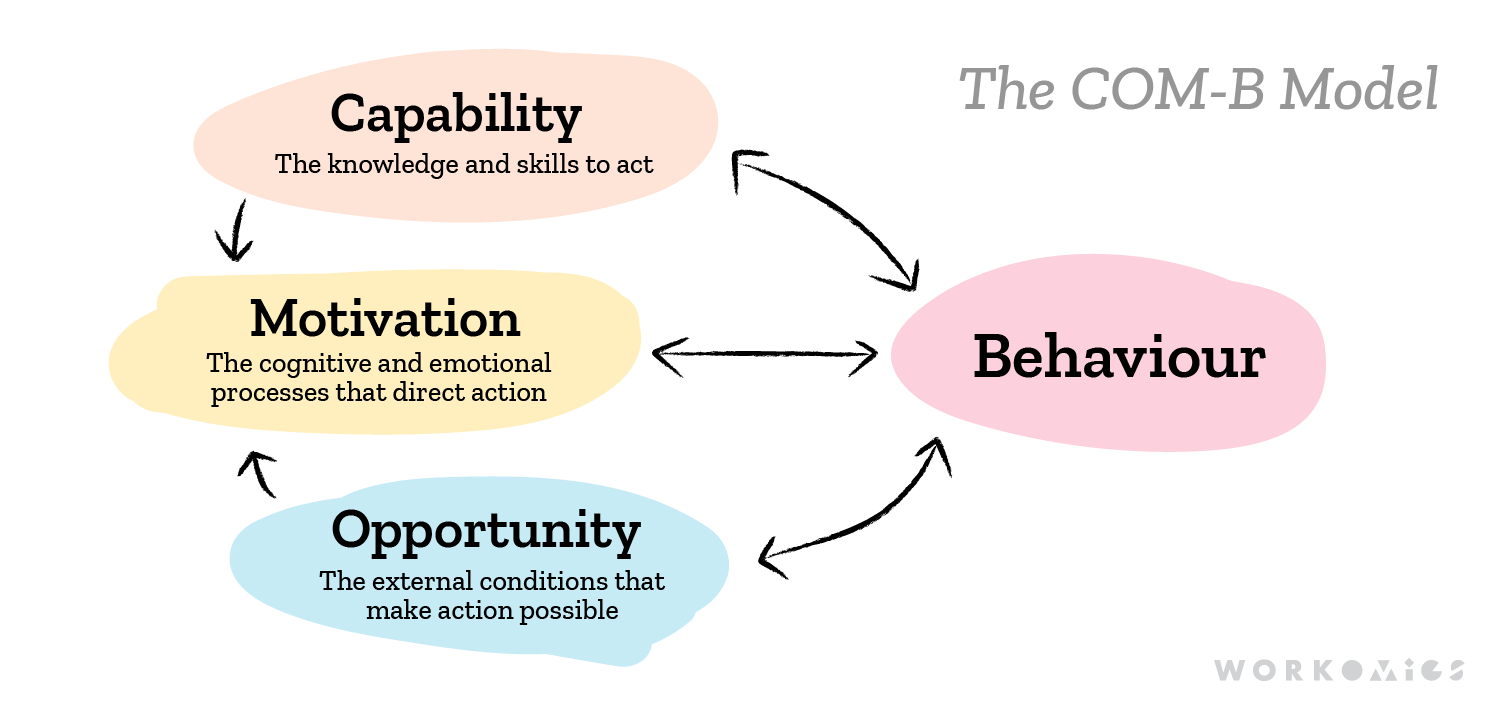
The most useful caregiver resources are going to be ones that help caregivers engage in the behaviour of effective shared decision-making. The COM-B model helps us understand the conditions that influence behaviours generally. Rooted in behavioural science, the model suggests that behaviour is influenced by three interacting conditions:
- Capability (the knowledge and skills to act),
- Opportunity (the external conditions that make action possible), and
- Motivation (the cognitive and emotional processes that direct action).
We use the COM-B model to better understand drivers of caregiver participation in shared decision-making and explore the implications for caregiver education.
Capability: Learning, synthesizing, and translating complex information
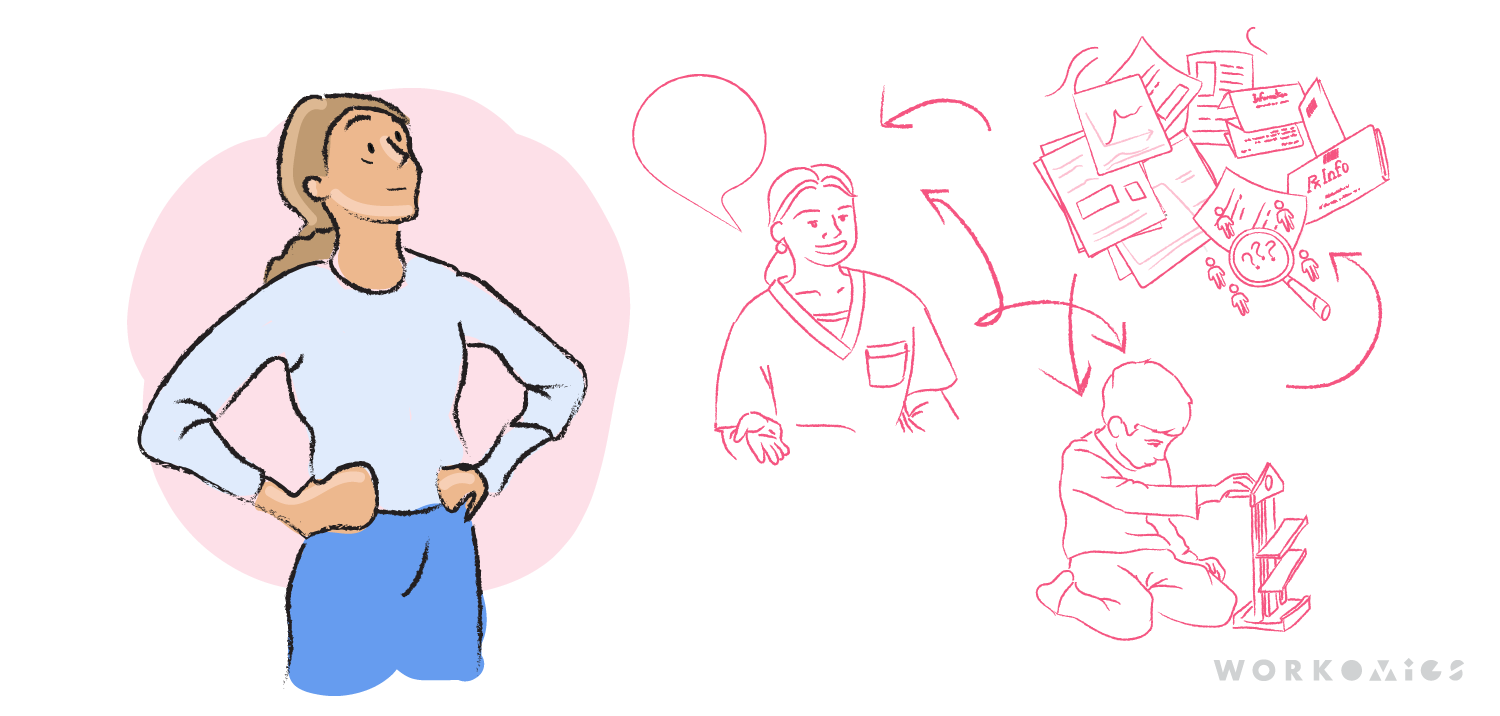
While caregivers develop deep, hard-earned expertise in their child’s condition, participating in treatment decision-making requires caregivers to take on an additional and demanding set of activities that include learning, synthesis, and translation. On the surface is the already-difficult task of understanding the treatment: how it works, clinical evidence, and potential benefits and risks. One level deeper, caregivers are making sense of this complex scientific information across multiple sources, including advocacy organizations, patient communities, digital resources, and increasingly, AI tools, each offering different perspectives and varying levels of credibility and context.
Alongside understanding how the treatment works, caregivers are interpreting their child’s and family’s lived experience. They are observing new symptoms, changes in behaviour or functioning, and the day-to-day realities of the disease, while trying to weigh how treatment options might affect their child’s life.
Because the bulk of caregiver learning, synthesis, and interpretation of their child and family’s lived experience happens outside the doctor’s office, caregivers also must translate what they’ve learned and observed into conversations with their healthcare providers, which requires an additional step of articulating to an HCP and deciphering what details are relevant.
Opportunity: Making the most out of interactions with healthcare providers
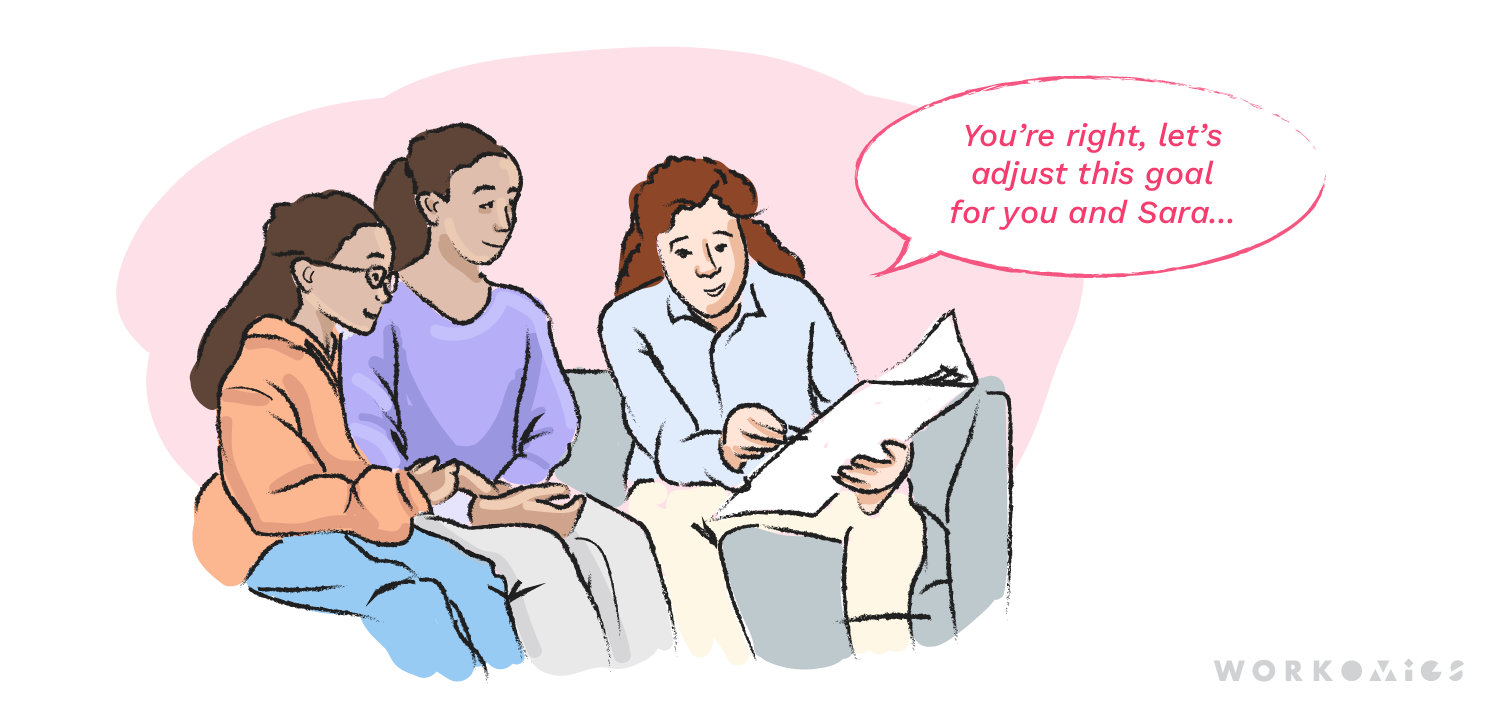
Even when caregivers have the capability to participate in treatment decisions, the circumstances surrounding those decisions may limit their opportunity to do so. Limited time with specialists, fragmented care, and established communication norms between caregivers and healthcare providers can all affect whether caregivers have opportunities to raise questions, share observations, and get into what matters most to their child and family.
While biotech cannot directly address many of the systemic barriers that affect shared decision-making, it can consider how its educational resources can help create opportunities for caregivers to participate. In line with Healthy People 2030’s definition of “organizational health literacy”, this means thinking about both resource design and interaction design — considering how resources can be designed, made available, and used to create pockets of opportunity for HCPs and caregivers to have meaningful conversations.
Motivation: Carrying the responsibility of an unknown future
Underpinning a caregiver’s motivation to participate in treatment decision-making is their strong desire to help their child, their deep sense of responsibility for their child’s current and future well-being, and their very real sense of fear of making the wrong decision.
At any given moment during the treatment decision-making process, a caregiver may be grappling with questions like: What are the risks and benefits of this treatment and what does it mean for my child today and in the future? Will delaying the decision mean the disease will progress and it will be too late to change our minds? Could starting this treatment limit future options? Is it worth putting my child through treatment now if a new therapy may become available? Is disrupting our status quo for something new even worth it? What does it mean for my child to live well, and will the process and outcomes of this treatment align with that?
Herein lies a key tension within caregiver motivation: their desire to protect their child and preserve future possibilities may create a strong sense of urgency to help, while fear of making the wrong choice can hinder a caregiver’s willingness to actively engage in shared decision-making.
Behavioral science helps explain why a “wait and see” approach can feel safer. Omission bias can lead people to weigh the potential harm of taking action more heavily than the harm of inaction, while status quo bias can make maintaining the familiar feel preferable to change. Both can be reinforced by the fear of regretting a decision. For caregivers whose diagnostic journey left them with unanswered questions, conflicting information, or uncertainty about whom to trust, this tension may be even harder to navigate.

Capability, opportunity, and motivation over time: Decision-making as an ongoing experience
For caregivers of children with rare diseases, treatment decisions likely need to be revisited as their child’s condition changes, new symptoms emerge, treatments become available, treatment eligibility changes, new clinical evidence comes to light, or family circumstances, and goals of care evolve. Depending on the nature of the condition, as children grow older they may be increasingly able to express preferences and participate in decisions, which adds another dimension to the process.
Each time a decision resurfaces, caregiver capability, opportunity, and motivation will come into play, but they won’t look the same because caregivers will have collected far more experience. They may face new decisions with more confidence and/or burnout and everything in between. Their motivation may also shift as their child’s condition progresses, their priorities change, or they experience decision fatigue. For biotech, this means thinking about treatment decision-making as an ongoing experience. Caregiver education needs to evolve alongside the child and family, recognizing that what caregivers need to know, consider, and discuss with their healthcare providers will change over time.
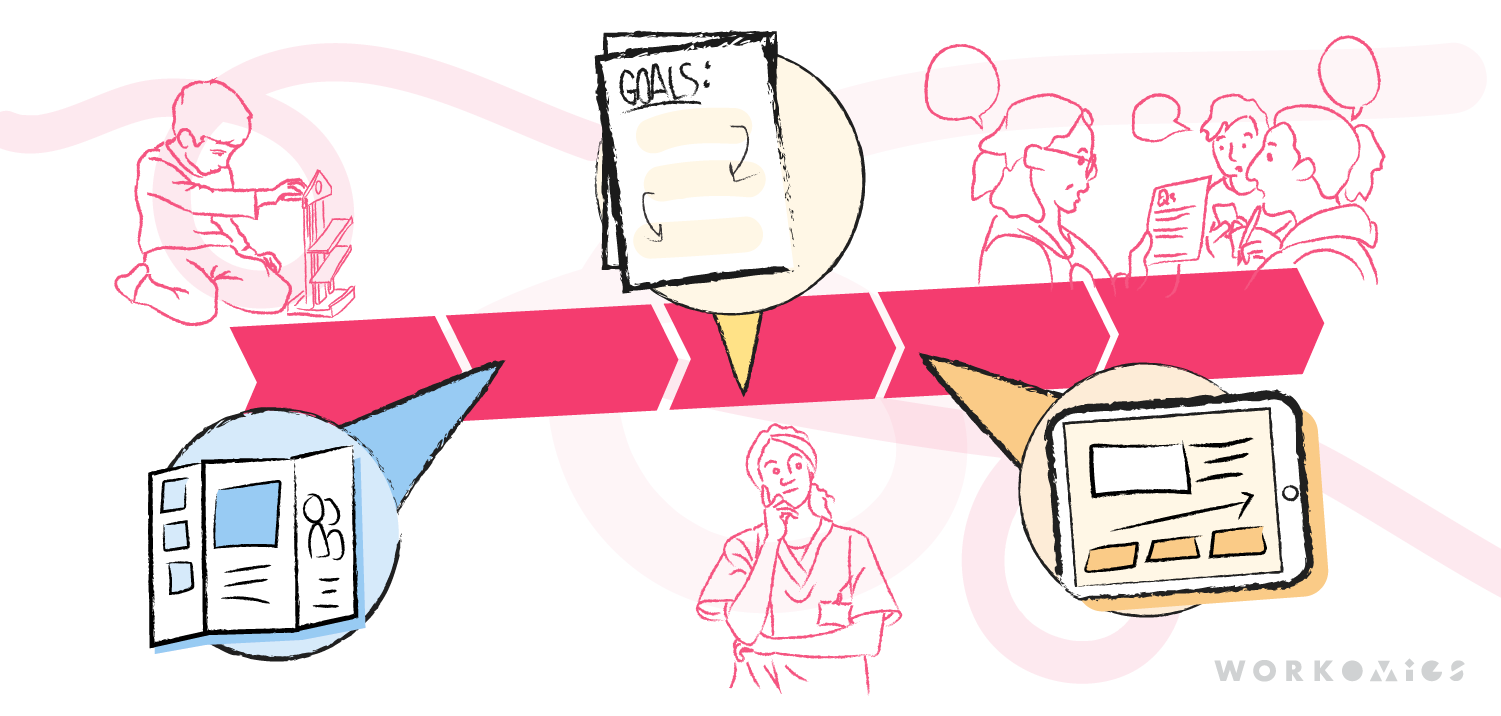
Design Principles for Biotechs Designing Caregiver Education
When we think about caregiver education from the lens of the COM-B model, our question becomes, how might we design educational materials that support caregivers’ capability, opportunities, and motivation to participate in shared decision making? Below, we offer a set of practical design principles that can help biotechs build resources that help enable shared decision-making:
Capability:
- Make complex clinical evidence easier to understand and interpret. Use patient-friendly language, visuals, diagrams, and data visualizations to explain and summarize how treatments work, what clinical trials aimed to demonstrate, what the results show, and what those findings may mean for a child’s disease.
- Help caregivers more easily interpret incomplete information. Clearly communicate where evidence is limited or evolving, so that it’s clear where caregivers need to weigh their child’s and family’s needs in the face of uncertainty.
- Help caregivers connect clinical information to their child’s lived experience. Provide tools that help caregivers interpret and document symptoms, changes in functioning, and daily experiences; highlight that these may be important observations to bring into treatment decision-making conversations with their healthcare teams.
Opportunity:
- Design resources that bridge caregiver and HCP language and knowledge. Develop tools that caregivers and HCPs can use together, such as question-prompt lists, that help caregivers prepare for appointments and raise questions about treatment options, potential trade-offs, and what matters most to their child and family. Help caregivers and HCPs capture unresolved questions, identify next steps, and revisit discussions.
- Develop HCP-facing tools that encourage clinicians to invite caregiver observations: Help create space for caregiver perspectives in treatment discussions.
Motivation:
- Acknowledge the journey before you educate. Recognize that caregivers bring years of experience, unanswered questions, and sometimes frustration or uncertainty into treatment discussions. Design resources that acknowledge these experiences, communicate transparently, and demonstrate empathy.
- Pair urgency with self-efficacy. When communicating about disease progression or the potential implications of treatment timing, help caregivers understand exactly what they can do next and what the action can realistically offer their child. When a threat feels serious but people don’t feel able to act on it, they tend to manage their fear instead of the danger, often by avoiding or delaying the decision. Provide clear, manageable steps, such as preparing questions for their HCP, connecting with a patient navigator, or seeking support from a patient mentor. Make the next step feel achievable and reinforce caregivers’ confidence in their ability to take it.
- Make the consequences of acting and waiting equally concrete. Fear of regretting an active choice can make waiting feel safer, particularly when the potential consequences of inaction are distant or difficult to imagine. Use balanced, evidence-based scenarios or timelines to make the potential consequences of both paths more tangible, helping caregivers weigh their options rather than defaulting to what feels safest or most familiar. Pair this with the confidence-building approach in principle #2, so that greater clarity about the stakes encourages caregivers to engage in decision-making rather than leaving them feeling overwhelmed.
Supporting shared decision-making over time:
- Anticipate and proactively design for the treatment decision at different moments in the patient journey. Identify moments that may trigger caregivers to reconsider treatment and anticipate the educational needs that arise at each point.
- Support the child/caregiver interaction and the child’s growing role in decision-making. Develop age-appropriate resources that help children and adolescents understand their condition, express their preferences, and participate more actively in treatment discussions as they mature.
Is your caregiver education designed to support informed and active participation in shared-decision-making over time?
When caregiver education is treated as a discrete tactic, the output is often a treatment education resource: something that explains the therapy, summarizes its evidence, and encourages caregivers to speak with their healthcare providers or connect with support. That resource may be clear, credible, and thoughtfully designed, but it addresses only one part of what caregivers need to meaningfully participate in treatment decisions.
A more robust caregiver strategy is grounded in the decisions caregivers face throughout their child’s journey. It identifies the moments that trigger new or recurring decisions and considers how caregivers’ capability, opportunity, and motivation to participate in shared decision-making may change at each point. Using COM-B as a lens, biotech teams can identify the barriers caregivers face and design resources and interactions that build their ability to navigate complex information, create opportunities for meaningful conversations with HCPs, and strengthen their confidence to engage despite uncertainty.
For biotech commercial teams, this requires a shift from designing one-off educational tactics to designing an ongoing caregiver decision-making experience. Ultimately, the goal is to equip and support caregivers and patients in making informed decisions alongside their healthcare providers, whenever those decisions arise.
Our other ideas worth exploring

Patient transitions out of pre-launch programs
A look at the rare disease experience when clinical trials and expanded access programs end.
Cobra Effects for GenAI in Healthcare
Generative AI could totally transform healthcare. Goodhart’s Law helps us identify four watch-outs as models get more integrated into the delivery of care.
Bedside Manners: How a dermatologist approaches patient education
An interview with Dr. Bianca Muylaert, a board-certified dermatologist in Canada, the US, and Brazil, about how she approaches patient education.