
For biotechs and pharmaceutical companies serious about their commitment to patients, patient experience must be considered at every stage, even before their product is launched. Here, we’ll focus on the importance of thinking through the patient transition out of a clinical trial (CT) or expanded access program (EAP), as these programs will come to a close when a company prepares to bring a drug to market.
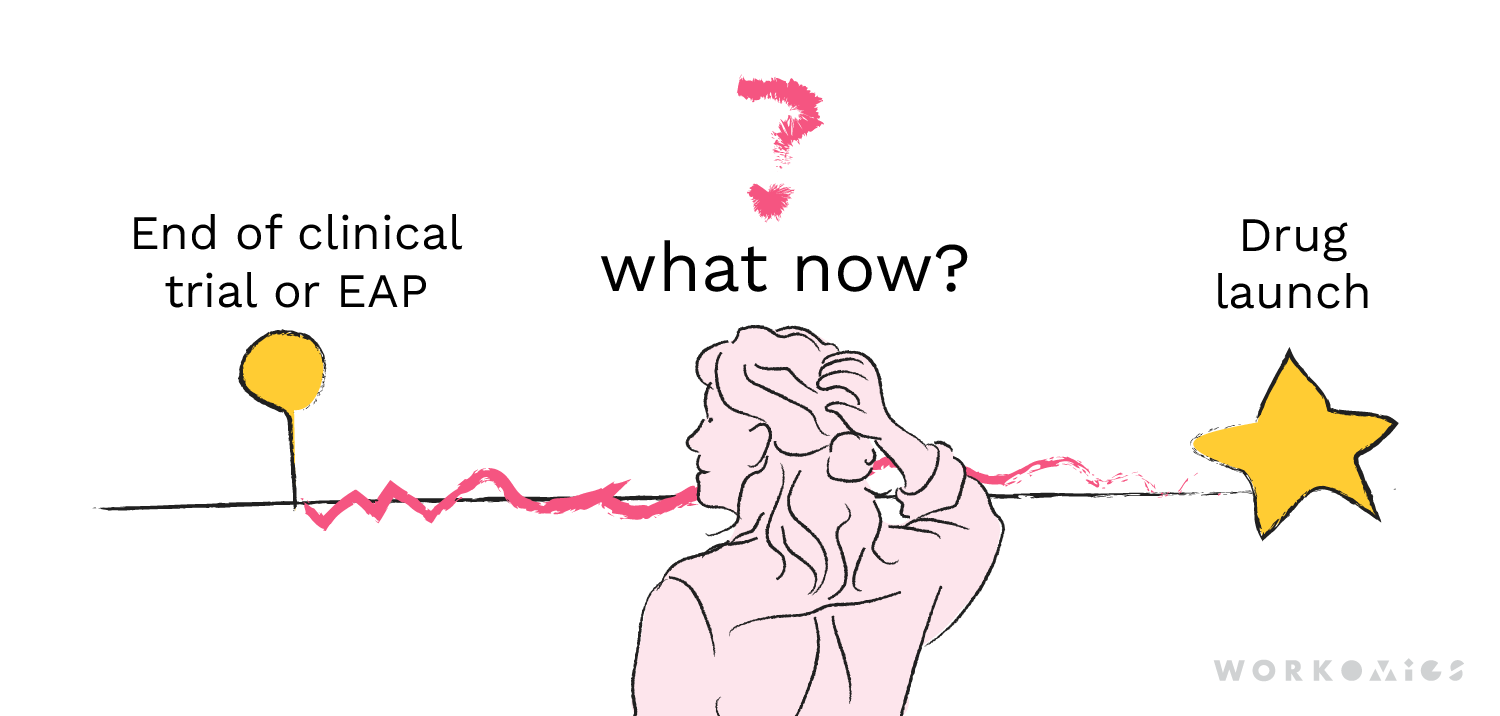
Why focus on moments of transition?
The first informal stories about a company and their treatment or product come from patients’, caregivers’, and healthcare providers’ experiences with the treatment before commercial launch. The treatment’s clinical impact is part of that story, but so is a patient’s experience of navigating access to the treatment. Companies often have different teams responsible for different programs, but the transitions between programs can fall to the wayside without oversight.
Key patient challenges when CTs or EAPs end
Patients with rare and complex diseases focus primarily on their treatment and keeping the disease controlled — they may not think very much about what happens when a program ends (if they even remember that there is an end). When they suddenly lose access to a life-saving treatment, they are understandably confused and upset — their source of hope is gone and they once again have to face the reality of their disease getting worse, as well as the implications to their own mortality that this may bring. These unforeseen transitions require patients to navigate unknown next steps towards a different system of care and access — another burden on top of living with a disease.
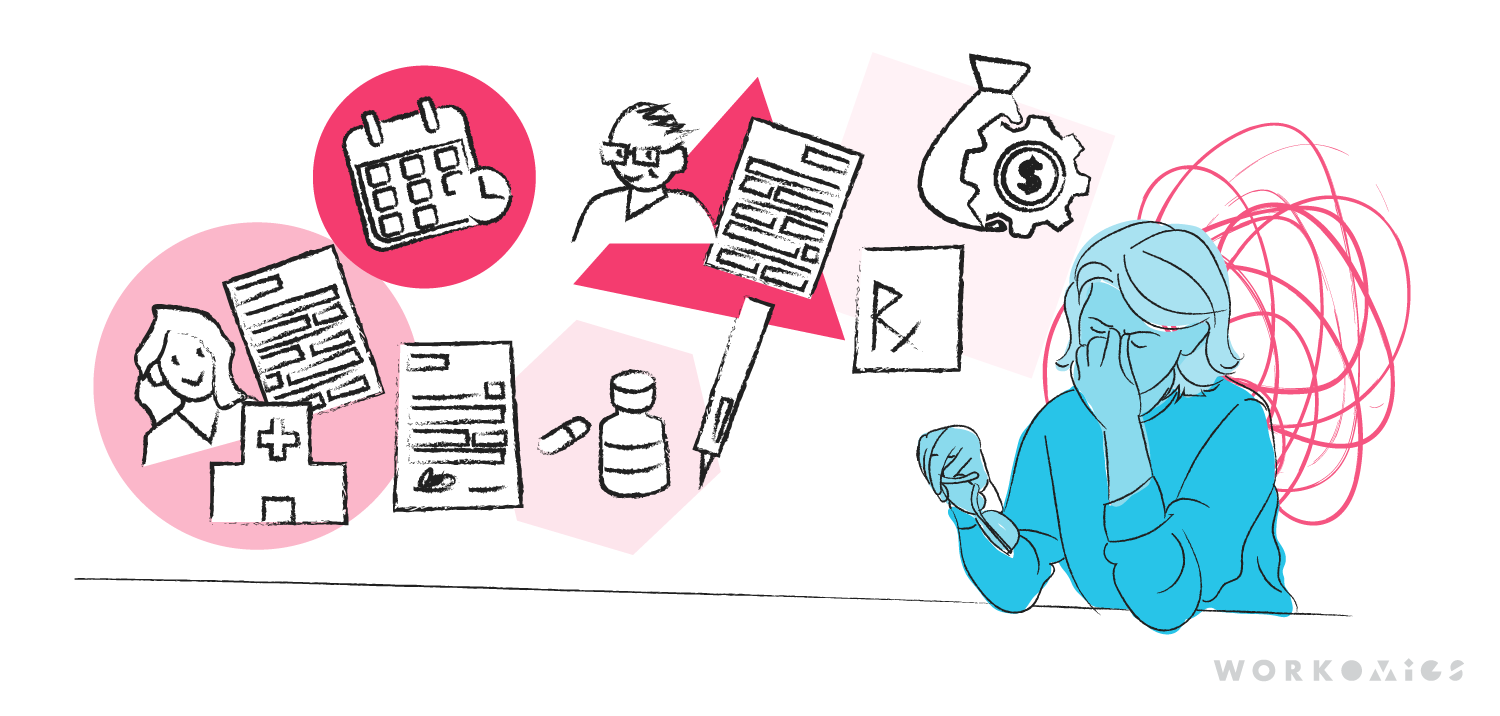
Cost-based challenges: Depending on the program design, many patients are accustomed to having the costs of specific procedures, tests, the investigational treatment, etc. covered by the sponsor.
Criteria-based challenges: Patients in an EAP may not have access to the drug when it’s in-market. This can be due to a variety of reasons: the patient does not meet the criteria, payers may not cover the treatment because there is no approved indication for the patient’s specific use, etc. These patients often have no alternative, and the program closure can make them feel like they’ve been abandoned by the drug sponsor.
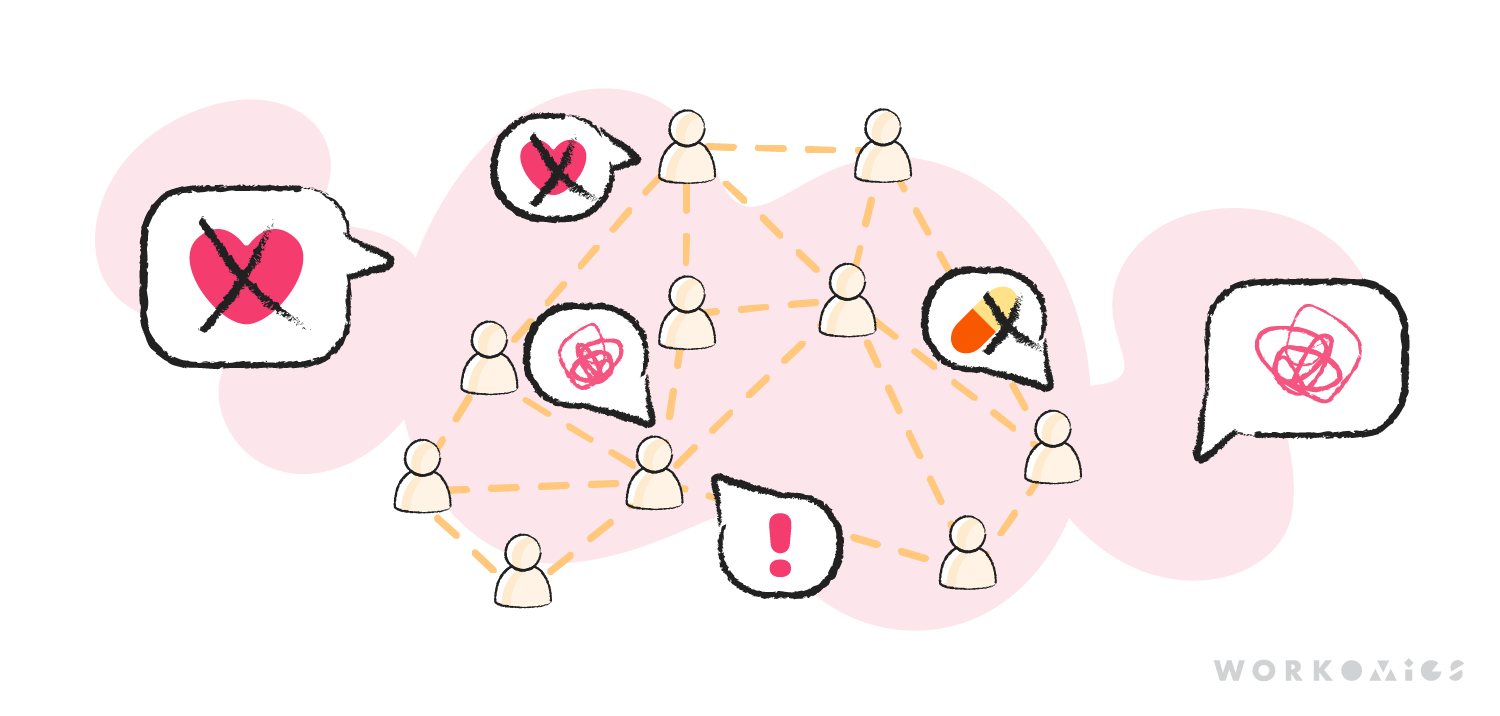
When patients and caregivers experience these hardships, it’s easy to blame drug sponsors for pulling the rug out from under them.
Recommendations to support patient transitions out of CTs or EAPs
To gracefully close down a clinical trial or EAP, companies can:
Understand the emotional perspectives of patients before, during, and after a trial/program
Think about the perspectives and needs of patients, no matter how small the sample size, at every step. This requires a thoughtful alignment across all internal stakeholders, to consider the information and support that patients and their healthcare providers may require, as this ensures a consistent patient-centric experience, and bakes this process in ahead of launch.
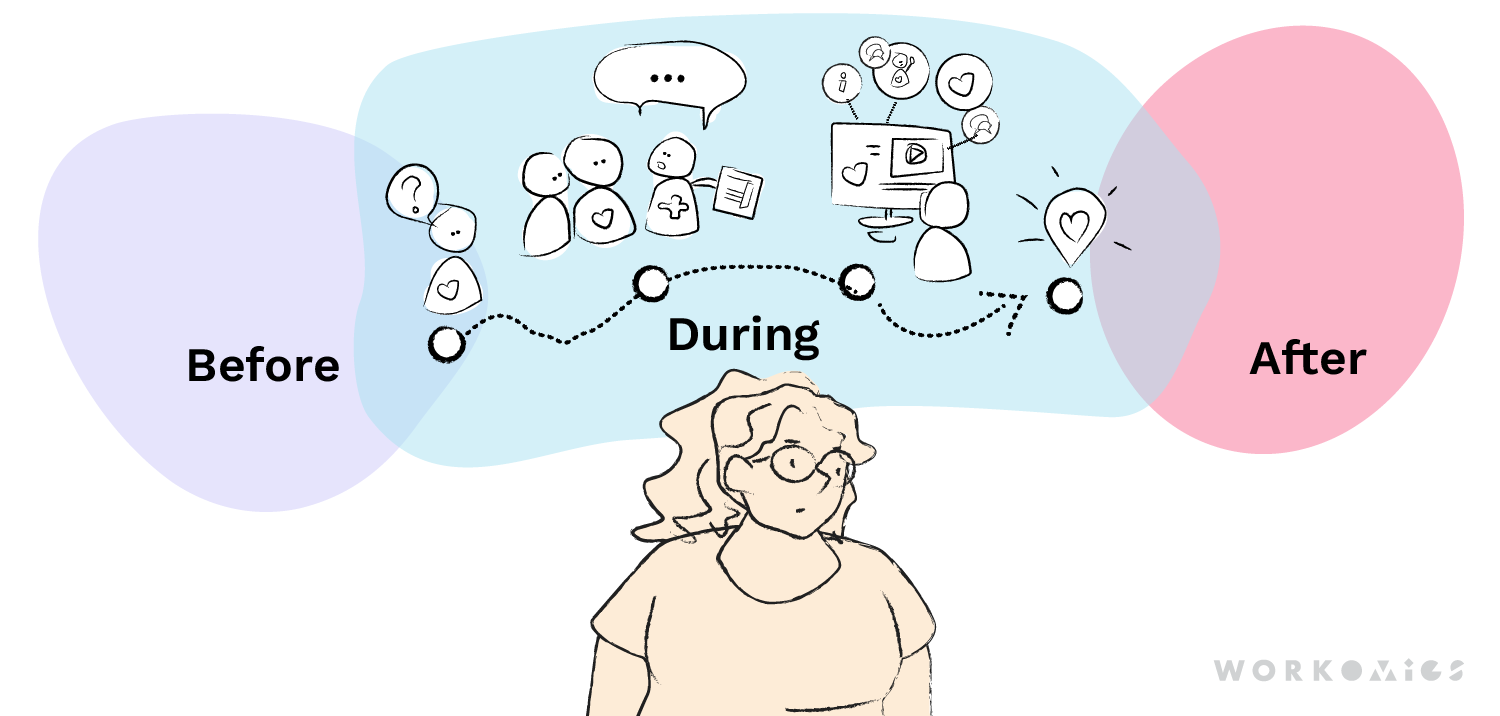
Plan for clear patient communications throughout the trial/program
Carefully considered touchpoints and communications can help create a positive patient experience.
For patients considering a CT or EAP:
- Set expectations that the programs can end and what that means for patients’ lives and care
For patients currently in a CT or EAP:
- Explain the changes involved with and process of transitioning out of the trial or program (e.g., need to navigate insurance, supports available to help with transition, etc.)
- Provide clear information about program closures at intervals throughout the process, and as the end approaches, to ensure patients and their healthcare providers are not caught off guard
- If the program is being transitioned from a clinical trial to an EAP or to a marketed drug, provide navigator or patient hub support specific to EAP patients to help deal with insurance and access
For patients who took part in a CT:
Share plain language summaries of study results so that patients can understand how their participation contributed to the clinical trial
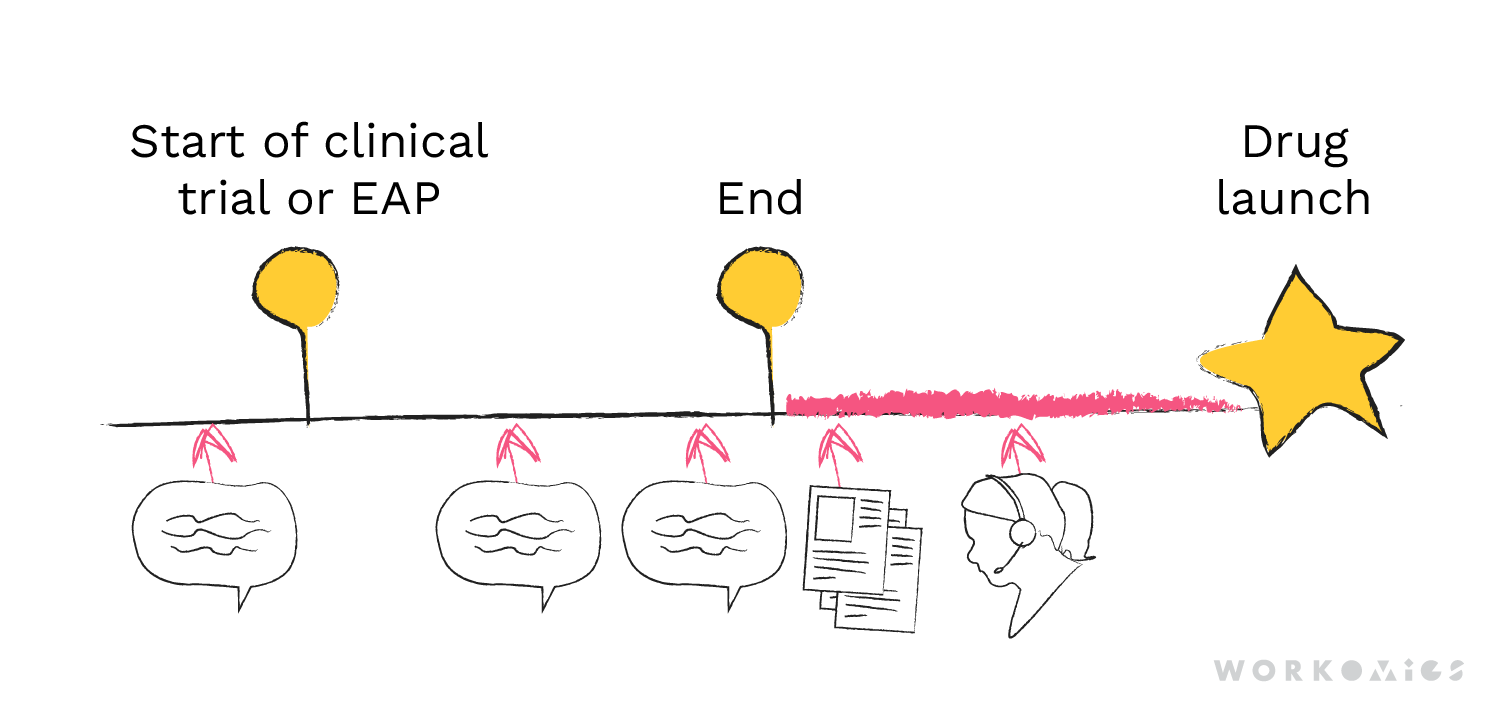
Being proactive about explaining participation in these programs, and providing support in managing transition from the programs can help reduce disappointments and problems for both patients and healthcare providers, leading to a positive company and brand image that lasts.
~
See the links below to learn more about Workomics’ related work:
Our other ideas worth exploring
Cobra Effects for GenAI in Healthcare
Generative AI could totally transform healthcare. Goodhart’s Law helps us identify four watch-outs as models get more integrated into the delivery of care.
Bedside Manners: How a dermatologist approaches patient education
An interview with Dr. Bianca Muylaert, a board-certified dermatologist in Canada, the US, and Brazil, about how she approaches patient education.
Building patient openness to cell and gene therapies
How to build patient openness to one-time cell and gene therapies by mirroring their expectations and lived experience.